
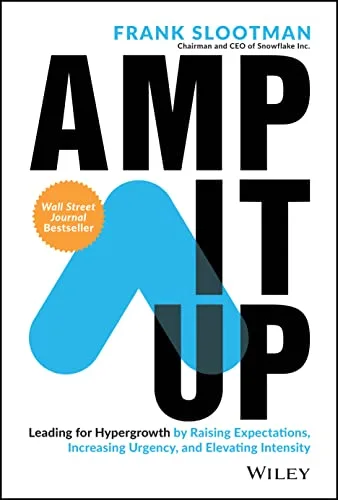
Key ideas
- Most companies drastically underperform their potential, and the fix is usually not a new strategy but amping up expectations, urgency, and intensity with the people you already have.
- Raise your standards relentlessly: refuse incrementalism, rally the company around a mission, and treat competition as a war worth winning.
- Execution beats strategy; most organizations have adequate strategy and fail on the far harder work of executing it with speed and discipline.
- Fill the company with "drivers" who make things happen, move out the passengers, and build a culture where people go direct and confront issues head-on.
- Sharpen focus ruthlessly: do fewer things with more intensity, analyze problems deeply before proposing solutions, and align everyone around customer success.
- Growth is a choice and growth is oxygen: grow fast or die slow, and keep the scrappy, urgent intensity of a startup even as you scale.
You do not need a new strategy or a new team nearly as often as you think; you need to amp up the expectations, urgency, and intensity of the ones you already have.
Mental models
- Amp it up: expectations, urgency, intensity — The core idea is that performance is largely a choice, and most companies are running far below their potential out of complacency. A leader unlocks hypergrowth by turning up three dials at once: raising expectations (demanding much more than seems reasonable), increasing urgency (compressing timelines and refusing to wait), and elevating intensity (bringing more focus and energy to everything). Amping up is a mindset applied to the existing team, not a reorganization.
- Execution over strategy — Slootman argues that strategy is overrated and execution is underrated. Most companies have a perfectly workable strategy; what separates winners is the discipline, speed, and intensity with which they execute it. Endlessly debating strategy is often a way to avoid the harder, less glamorous work of actually delivering. Put execution first: decide, move, and drive relentlessly, rather than seeking a clever strategic shortcut around doing the work.
- Drivers, not passengers — People fall into two types. "Drivers" take ownership, make things happen, and push relentlessly toward outcomes; "passengers" go along for the ride, do their assigned tasks, and wait to be told. A high-performance company is packed with drivers and moves the passengers out. Hiring, promoting, and retaining for drive, not just competence, and being willing to remove the wrong people, is what raises the intensity of the whole organization.
- Sharpen focus and go direct — Two habits amplify everything else. Sharpening focus means doing fewer things with far more intensity, ruthlessly prioritizing rather than spreading effort thin, and analyzing a problem deeply before jumping to solutions. Going direct means a culture of candor: people confront issues and each other openly and immediately, without politics or triangulation, which builds trust and speed. Together they concentrate a team's energy on the few things that matter, done honestly and fast.
Product applications
- Challenge the default pace and standards on your team: ask what a genuinely ambitious timeline and bar would look like, then hold to it, rather than accepting the comfortable incremental plan.
- Prioritize execution over endless strategy debate: once a direction is good enough, shift the team's energy to shipping it fast and well instead of polishing the plan.
- Assess your team for drivers versus passengers, invest in and empower the drivers, and address the passengers directly rather than tolerating low ownership.
- Ruthlessly cut your priority list: concentrate the team on the few things that matter most with high intensity, instead of many parallel efforts done at low energy.
- Build a go-direct culture on your team where issues and feedback are raised openly and immediately, so problems get solved fast and trust grows instead of politics.
Questions to think about
If you assume your team is capable of far more than it is currently delivering, and the gap is expectations, urgency, and intensity rather than talent or strategy, what would you demand differently starting tomorrow, and what comfortable, incremental targets are you quietly accepting right now?
Chapter by chapter
The Power of Amping Up
The book's premise, drawn from Slootman's record turning around and scaling companies like Data Domain, ServiceNow, and Snowflake, is that most organizations run far below their potential, and the cause is complacency, not a lack of talent or a flawed strategy.
The remedy is to amp up three things at once: expectations, urgency, and intensity. Demand much more than seems reasonable, compress timelines and refuse to wait, and bring far more focus and energy to the work. Performance, in this view, is largely a choice a leader makes and drives through the organization.
Slootman's own story, from teenage toilet cleaner to serial CEO, frames the ethos: relentless drive, high standards, and a refusal to accept mediocrity. Amping up is not a special program but a way of leading applied to the team you already have.
For a PM or leader, the opening lesson is to question how much of your team's underperformance is simply accepted low expectations. Before reaching for a new strategy or new people, ask what would change if you amped up the standards, urgency, and intensity of the current team.
Raise Your Standards
The first driver is to raise standards far beyond the comfortable norm. This begins with making the organization mission-driven: rallying people around a purpose larger than a paycheck, which unlocks discretionary effort and higher ambition.
It also means declaring war on incrementalism. Settling for modest, incremental improvement is the enemy of greatness; Slootman pushes for step-change ambition and treats competitors as adversaries to be beaten decisively rather than politely coexisted with. Complacency, not competition, is the real threat.
Crucially, he puts execution ahead of strategy. Most companies have a serviceable strategy and fail on execution, so obsessing over strategic cleverness is often avoidance. The high standard he demands is not a better plan but relentless, disciplined delivery of the plan you have.
For a PM, the takeaway is to reject the incremental default and to bias toward execution. Setting genuinely ambitious goals, framing work around a real mission, and channeling energy into shipping rather than endlessly refining strategy is how you raise a team's standards.
Align Your People and Culture
Amped-up performance requires the right people and culture. The central distinction is between drivers and passengers: drivers take ownership and make things happen, while passengers do their tasks and wait to be told. A high-performance company hires drivers and moves the wrong people off the bus.
Culture is not a set of posters but the behaviors a company actually rewards. Slootman advocates building a strong, high-intensity culture deliberately, one that prizes ownership, speed, and results, and that consistently reinforces those values through who is celebrated and who is not.
Go direct
A defining cultural habit is going direct: confronting issues and each other openly and immediately, without politics or talking behind backs. Directness, paired with mutual trust, removes the friction and hidden dysfunction that slow most organizations, and it lets problems get solved fast.
For a PM, the lesson is to staff and cultivate for drive and candor. Empowering the drivers, addressing passengers honestly, and building a norm where feedback and issues are raised directly creates a team that owns outcomes and moves quickly rather than one that waits and hedges.
Sharpen Your Focus
Intensity is wasted if it is spread across too many things, so the next driver is sharpening focus. This means doing fewer things with far more concentration, ruthlessly prioritizing the handful of efforts that truly matter over a long list done at low energy.
A specific discipline is to put analysis before solutions. Slootman insists on deeply understanding a problem, asking sharp questions and examining the real drivers, before jumping to answers. Teams that leap to solutions often solve the wrong problem energetically, which is worse than solving the right one slowly.
Focus also means aligning the whole company around customer success, including how incentives are set, so that everyone is pulling toward the outcomes that actually create value. Misaligned incentives quietly scatter a team's focus no matter what the stated priorities are.
For a PM, the takeaway is to concentrate force: cut the priority list hard, analyze before building, and align incentives with the customer outcomes you want. Focused intensity on the right few things beats diffuse effort across many, especially under the pressure of fast growth.
Pick Up the Pace
Speed is a core dial to amp up, and this part is about moving faster in every dimension. In technology especially, growth is oxygen, and Slootman's blunt framing is grow fast or die slow: stalling growth is a slow death, so accelerating it is an existential priority, not a nicety.
A major lever is ramping up sales, treating go-to-market intensity and effectiveness as central to the CEO's job rather than delegated and forgotten. Aggressive, well-run sales execution is often what separates companies that seize their market from those that let it slip.
As a company scales, the danger is losing the urgency and frugality that made it fast. Slootman urges staying scrappy: resisting bureaucracy, keeping decision-making quick, and preserving the hungry, resourceful mindset even as headcount and revenue grow.
For a PM, the lesson is to treat pace as a deliberate choice and to defend it as you scale. Pushing for faster shipping, prioritizing growth, and fighting the creeping bureaucracy that slows maturing organizations keeps a team operating with startup urgency.
Transform Your Strategy
The final driver shows the playbook applied through three real growth stories. Each illustrates transforming a company's strategy to unlock a far larger opportunity than it was originally pursuing, rather than optimizing within a small one.
- Data Domain: materializing a real opportunity by executing intensely against incumbents in data storage.
- ServiceNow: opening the aperture, expanding from a narrow use case into a broad platform and a much larger addressable market.
- Snowflake: swinging for the fences, pursuing an enormous data-cloud opportunity with maximum ambition and pace.
The common thread is that strategy transformation, in Slootman's hands, usually means expanding ambition and market scope while executing with amped-up intensity, not clever repositioning. The companies grew huge by combining a bigger vision of the opportunity with relentless execution.
For a PM, the takeaway is to periodically widen the aperture on your opportunity: ask whether you are pursuing too small a version of the market, and whether more ambition plus harder execution could unlock a much larger prize than incremental improvement of the current scope.
The Amped-Up Leader
The book closes by turning the philosophy on the individual leader. Amping up your career means seeking out hard problems, taking ownership, and being a driver rather than waiting for permission or the perfect conditions to perform.
For CEOs specifically, Slootman addresses the delicate work of dealing with founders and boards, managing those relationships with the same directness and high standards he applies everywhere, so that governance supports rather than dilutes intense execution.
His concluding conviction is simple and demanding: great leaders have great outcomes. Leadership is judged by results, and the amped-up leader accepts full responsibility for driving them, refusing the excuses and comfortable mediocrity that let most organizations coast.
For a PM, the final lesson is to apply amping up to yourself: raise your own standards, run toward the hardest problems, and own outcomes rather than activity. The same expectations, urgency, and intensity that transform a company will transform a career.
The Entire Book in One Framework
The whole book is one move: amp up expectations, urgency, and intensity, with the team you already have. Because most companies coast far below their potential, the biggest gains come not from new strategy or new people but from demanding more, moving faster, and concentrating energy.
That plays out through five drivers: raise your standards (mission, anti-incrementalism, execution over strategy), align your people and culture (drivers not passengers, go direct), sharpen your focus (do fewer things, analyze first), pick up the pace (grow fast or die slow, stay scrappy), and transform your strategy (widen the aperture and swing for the fences).
Amp It Up is not "find a smarter strategy." It is the conviction that performance is a choice, and that a leader who raises expectations, compresses urgency, and elevates intensity can get dramatically more out of the exact same people who were quietly coasting yesterday.
10 Most Important Takeaways
- Most companies coast below their potential; amp up expectations, urgency, and intensity to close the gap.
- Raise standards relentlessly and declare war on incrementalism.
- Put execution ahead of strategy, because most companies fail on execution, not planning.
- Rally the organization around a real mission bigger than a paycheck.
- Hire drivers who make things happen, and move the passengers off the bus.
- Build a go-direct culture where issues and feedback are raised openly and fast.
- Sharpen focus: do fewer things with more intensity, and analyze before you solve.
- Grow fast or die slow, and treat aggressive go-to-market as a core priority.
- Stay scrappy and fight bureaucracy as you scale.
- Widen the aperture on your opportunity, and remember great leaders own great outcomes.
The deepest idea is that mediocrity is usually a choice disguised as circumstance. Leaders reach for new strategies, reorganizations, and fresh hires when the real, harder lever is simply to expect more, move faster, and bring more intensity to the team and mission already in front of them. Amping up is uncomfortable precisely because it removes the excuses, and that discomfort is where the outsized results come from.