
Key ideas
- People are creatures of emotion and pride, not logic, driven above all by a deep craving to feel important and appreciated.
- Criticism is futile and counterproductive; it wounds pride and provokes defensiveness, so the way to change behavior is appreciation, not condemnation.
- To make people like you, become genuinely interested in them, listen, use their name, and make them feel important, sincerely rather than as a tactic.
- You cannot win an argument; the way to bring people to your view is to avoid arguments, respect their opinions, and let them feel the idea is their own.
- To lead and change people without resentment, begin with praise, correct indirectly, let them save face, and give them a fine reputation to live up to.
- The single most important principle is sincerity: these techniques only work when they come from genuine care, not manipulation.
You can make more friends in two months by becoming genuinely interested in other people than in two years by trying to get other people interested in you.
Mental models
- The craving to feel important — Carnegie's foundational insight into human nature: beneath most behavior lies a deep, universal hunger to feel important and appreciated. People rarely act from pure logic; they act from pride, emotion, and the desire to feel valued. Every technique in the book flows from this: if you can make people feel genuinely important and appreciated, they will warm to you and be open to your influence, whereas anything that diminishes them shuts them down.
- Appreciation, not criticism — Because people are ruled by pride, criticism almost always backfires: it makes them defensive, resentful, and determined to justify themselves, rather than changing their behavior. The alternative is honest, sincere appreciation, noticing and naming what people do well. Carnegie distinguishes this sharply from flattery, which is cheap and insincere; real appreciation is specific and genuine, and it is one of the most powerful forces for bringing out the best in people.
- Win people by seeing it their way — Influence comes not from pushing your view but from making the other person receptive. That means avoiding arguments (which even when won, lose the person), never telling someone flatly they are wrong, genuinely trying to see things from their point of view, and letting them arrive at the conclusion themselves. People commit to ideas they feel are their own, so the skilled influencer plants the seed and lets the other person own the harvest.
- Change behavior while protecting dignity — To correct or lead someone without breeding resentment, you must let them keep their pride intact. Begin with sincere praise, point out mistakes indirectly, admit your own errors first, ask questions rather than give orders, and always let the other person save face. Give people a good reputation to live up to and make faults seem easy to fix, and they will change willingly, because you have made improvement feel like their own dignified choice.
Product applications
- Replace criticism of a teammate's work with specific, honest appreciation of what is good plus an indirect nudge toward what to improve, since criticism triggers defensiveness rather than change.
- In cross-functional work, lead with genuine interest in others' goals and constraints, and make people feel their contributions matter, to build the goodwill that makes collaboration flow.
- Stop trying to win roadmap arguments; instead ask questions, acknowledge others' points, and let stakeholders feel ownership of the direction you are steering toward.
- When you need someone to change course, begin with sincere praise, admit your own related mistakes, and frame the change as a question or a chance to live up to a strong reputation.
- Use people's names, listen more than you talk, and connect requests to what the other person cares about, because influence rests on making others feel important and understood.
Questions to think about
Think of someone at work you have been trying to change through criticism or argument. If people are driven by pride and the need to feel important, how might you get further by appreciating what they do well, seeing the situation from their side, and letting them own the change instead?
Chapter by chapter
Why People Do What They Do
Carnegie grounds the entire book in a view of human nature: people are not primarily logical creatures but emotional ones, governed by pride, vanity, and above all a deep craving to feel important and appreciated. Understanding this is the key to every human interaction.
From this follows a hard truth about criticism: it does not work. Telling people they are wrong wounds their pride and puts them on the defensive, so they justify themselves rather than change. Even hardened criminals, Carnegie notes, rarely blame themselves, which shows how universal the instinct to protect our self-image is.
The optimistic corollary is that the surest way to move people is to appeal to their desire to feel important through genuine appreciation. Not flattery, which is transparent and cheap, but sincere recognition of what is genuinely good in someone, which is rare and powerful.
For a PM, the opening lesson reframes influence entirely: you work through people who are driven by pride and the need to feel valued, not by logic alone. Leading with appreciation and understanding, rather than criticism and argument, is the foundation of everything that follows.
Fundamental Techniques in Handling People
The first set of principles addresses the basic posture toward other people, and it flows directly from the craving to feel important. Master these three and you avoid the most common ways people alienate each other.
The three fundamentals
- Do not criticize, condemn, or complain, because it only breeds resentment and defensiveness.
- Give honest and sincere appreciation, specific and genuine, to satisfy the deep human hunger to feel valued.
- Arouse in the other person an eager want, by framing things in terms of what they desire, not what you want.
The third principle is the essence of influence: people act to get what they want, not what you want, so the only way to move them is to show how your request serves their desires. As Carnegie puts it, the only way to influence anyone is to talk about what they want and show them how to get it.
For a PM, the takeaway is to drop criticism and complaint from your interactions, offer genuine appreciation liberally, and always frame requests in terms of the other person's goals. Asking "how does this serve what they care about" before making any ask is the practical heart of these fundamentals.
Six Ways to Make People Like You
The second part is about being genuinely likable, which opens every door of influence. The principles are simple, even obvious, but Carnegie insists on their sincerity: done as manipulation they fail, done from real care they transform relationships.
The six ways
- Become genuinely interested in other people; you make more friends by being interested than by trying to be interesting.
- Smile, because a warm expression signals goodwill instantly.
- Remember and use a person's name, which to them is the sweetest sound in any language.
- Be a good listener and encourage others to talk about themselves.
- Talk in terms of the other person's interests.
- Make the other person feel important, and do it sincerely.
The unifying thread is shifting attention off yourself and onto the other person. Most people are absorbed in their own concerns and eager to be heard and valued; the person who genuinely attends to others, rather than performing for them, becomes magnetic almost effortlessly.
For a PM, the lesson is that likability is built by genuine attention to others: listening more than you talk, remembering what matters to people, and connecting with their interests. This goodwill is not soft; it is the relational capital that makes every cross-functional collaboration easier.
How to Win People to Your Way of Thinking
The third part tackles persuasion directly, and its first principle is the most counterintuitive: you cannot win an argument. Even if you prove someone wrong, you wound their pride and lose their goodwill, so the only way to get the best of an argument is to avoid it.
The techniques all work by keeping the other person receptive rather than defensive: show respect for their opinions and never bluntly tell them they are wrong; if you are wrong, admit it quickly and emphatically; begin in a friendly way; and get them saying yes early, so agreement builds momentum.
- Let the other person do most of the talking, and genuinely try to see things from their point of view.
- Be sympathetic to their ideas and desires, and appeal to nobler motives.
- Let the other person feel the idea is theirs, and dramatize your ideas to make them vivid.
For a PM, the takeaway is to persuade by making people receptive, not by winning debates. Acknowledging others' views, admitting your own errors, seeing it their way, and letting stakeholders own the conclusion moves people toward your position far more reliably than argument, which only hardens resistance.
Be a Leader: Change People Without Giving Offense
The final part is about the hardest interpersonal task: changing someone's behavior without breeding resentment. The governing rule is to let the other person keep their dignity at every step, so that improvement feels like their own dignified choice rather than a humiliation.
Leading without offense
- Begin with honest praise and appreciation, and call attention to mistakes indirectly.
- Talk about your own mistakes before criticizing the other person.
- Ask questions instead of giving direct orders, and let the other person save face.
- Praise every improvement, even small ones, and give the person a fine reputation to live up to.
- Use encouragement, make the fault seem easy to correct, and make the other person happy to do what you suggest.
These techniques share a logic: people change willingly when their pride is protected and their progress is recognized, and they resist fiercely when they are shamed or ordered. Giving someone a good reputation to live up to is especially powerful, because people rise to meet the identity you sincerely assign them.
For a PM or manager, the lesson is to correct and lead by protecting dignity: praise first, criticize indirectly, ask rather than command, let people save face, and recognize improvement. This is how you change behavior and keep the relationship, rather than winning the point and losing the person.
The Entire Book in One Framework
The whole book descends from one insight about human nature: people are driven by pride and a craving to feel important, not by logic. Therefore criticism fails and appreciation works, and every principle is an application of making others feel valued and understood.
The four parts build a progression: handle people by dropping criticism and offering genuine appreciation; make them like you by taking sincere interest in them; win them to your thinking by keeping them receptive rather than arguing; and lead change by protecting their dignity. Sincerity is the thread; done as manipulation, none of it works.
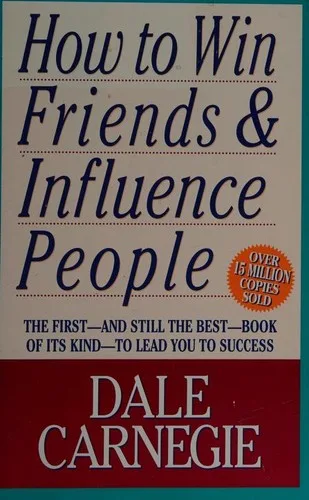
How to Win Friends and Influence People is not a bag of social tricks. It is a single principle applied relentlessly: make other people feel genuinely important and understood, and never at the cost of their dignity, and they will like you, agree with you, and change for you.
10 Most Important Takeaways
- People are driven by pride and a craving to feel important, not by logic.
- Never criticize, condemn, or complain; it only breeds resentment and defensiveness.
- Give honest, sincere appreciation, which is the opposite of cheap flattery.
- Frame every request in terms of what the other person wants.
- Become genuinely interested in others, listen, and use their name to be liked.
- You cannot win an argument; avoid them and keep people receptive instead.
- Never tell someone flatly they are wrong; see it from their point of view.
- Let the other person feel the idea is their own.
- To change behavior, begin with praise, correct indirectly, and let people save face.
- Give a person a good reputation to live up to, and make faults seem easy to fix.
The deepest idea is that lasting influence is impossible without sincerity. The techniques look like tactics, but Carnegie insists they collapse into manipulation the moment they are insincere, because people sense the difference. The real lesson is a change of orientation: genuinely caring about other people, valuing them, understanding them, protecting their dignity, is not just the ethical path but the only one that actually works.