
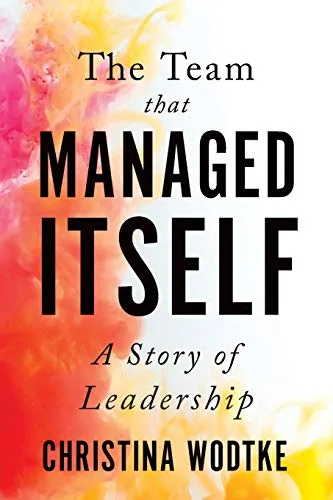
Key ideas
- Management is a learnable craft, not an innate gift, and the goal is to build a team that eventually manages itself rather than one dependent on you.
- You cannot lead others until you manage yourself: your energy, reactions, and habits set the tone for the whole team.
- Clear goals are the foundation of self-management; when a team truly shares its objectives, people can direct their own work without constant supervision.
- People need clear roles and expectations, then coaching to become first competent and then exceptional at their craft.
- Feedback, given frequently, specifically, and kindly, plus the willingness to hire and fire well, is how a manager keeps a team healthy.
- Regular reflection through retrospectives and post-mortems, plus agreed team norms, is what lets a team continuously improve and run itself.
The best manager is not the one the team cannot function without; it is the one who builds a team that can function without them.
Mental models
- The self-managing team as the goal — The book reframes the manager's aim: not to be indispensable, but to build a team so healthy, aligned, and capable that it can largely run itself. That requires clear shared goals, well-defined roles, strong feedback habits, and routines of reflection, so decisions and course-corrections happen within the team rather than always flowing through the manager. A manager who is the single point of every decision has failed at the real job.
- Goals as the engine of autonomy — Clear, shared goals, in the OKR spirit Wodtke is known for, are what make self-management possible. When everyone genuinely understands and commits to the same objectives and what success looks like, people can make their own decisions in service of those goals without waiting to be told. Vague or unshared goals force the manager to direct everything; crisp, owned goals let the team steer itself toward a common destination.
- Coaching to competence, then excellence — A manager's job with each person is developmental: first help them become reliably competent at their role, then help them grow toward exceptional. This is done through coaching, asking questions and guiding, more than through directing, so people build their own judgment. Clear expectations set the target, and coaching, paired with honest feedback, moves the person toward it, turning a group of individuals into a genuinely capable team.
- Reflection and norms as the maintenance system — A healthy team is sustained by regular reflection and explicit norms. Agile ceremonies like retrospectives and post-mortems give the team a structured, blameless way to examine what is working, what is not, and how they operate together, then adjust. Combined with agreed team norms about how they treat each other and do their work, this reflection is what lets a team keep improving on its own rather than repeating the same mistakes.
Product applications
- Aim to make yourself less necessary over time: build the goals, roles, and habits that let your team make decisions without you, rather than being the bottleneck for everything.
- Manage your own energy and reactions deliberately, since as a lead your mood and habits set the emotional tone and standard for the whole team.
- Give the team crisp, shared goals (in OKR form) so people can self-direct toward a common objective instead of waiting for you to assign every task.
- Coach each person with questions rather than answers, helping them build judgment toward competence and then excellence, and pair it with frequent specific feedback.
- Institute regular blameless retrospectives and agreed team norms, so the team continuously inspects and improves how it works on its own.
Questions to think about
If you went on vacation for a month, would your team keep making good decisions and improving on its own, or would everything stall waiting for you, and if the latter, which is missing: shared goals, clear roles, honest feedback, or habits of reflection?
Chapter by chapter
An Accidental Manager and a Dysfunctional Team
The book teaches through a story. Allie, a talented individual contributor, is suddenly handed responsibility for Quiltworld, a casual-gaming hit, and its dysfunctional team, with a looming sales goal and no real management experience. The fable format makes the lessons concrete and human.
Her predicament is the universal new-manager crisis: she must learn to hire, fire, give feedback, set goals, and build a functioning team, all at once, under pressure, while doubting she is up to it. The stakes, a struggling product and a demoralized team, make the learning urgent.
The book's premise, embodied in Allie's arc, is that these skills are learnable. She is not a born leader; she becomes a capable one by applying specific practices, which is exactly the reassurance and the roadmap the book offers any new manager.
For a PM stepping into leadership, the framing lesson is that competent management is a craft you can learn under fire, not a talent you either have or lack. Allie's journey from overwhelmed to effective is the promise that the same is possible for you.
Manage Yourself First
Before Allie can fix her team, she has to get herself in order. A recurring lesson is that you cannot lead others well while you are frazzled, reactive, or running on empty; the manager's own state directly shapes the team's.
Managing yourself means tending your energy, noticing your emotional triggers, and building the habits and self-awareness to respond thoughtfully rather than react under stress. A leader who is chronically overwhelmed transmits that chaos to everyone around them.
It also means confronting the self-doubt that grips new managers. Allie's growth depends on accepting that she will not have every answer, focusing on learning, and drawing on help, rather than pretending to a confidence she does not feel or collapsing under the pressure.
For a PM, the takeaway is to treat self-management as the foundation of team leadership. Regulating your own energy and reactions, and building genuine self-awareness, is what lets you show up steady for your team instead of infecting them with your stress.
Set Clear, Shared Goals
The turning point for Allie's team is clarity of purpose. A team cannot manage itself if it does not know where it is going, so setting clear, shared goals, in the OKR spirit Wodtke champions, is the foundation of everything else.
Goals do more than track progress; they enable autonomy. When everyone genuinely understands the objective and what success looks like, people can make their own decisions in service of that goal without asking permission for each step, which is the essence of a self-directing team.
The key is that the goals must be truly shared and understood, not just announced. Allie learns to align the team around a common objective and to keep it visible, so the goal becomes the reference point that resolves day-to-day decisions rather than a slogan people forget.
For a PM, the lesson is that crisp shared goals are what let a team run itself. Investing in clear objectives that everyone owns, rather than doling out tasks, gives people the north star they need to self-direct, freeing you from having to steer every decision.
Clarify Roles and Expectations
Much of Allie's early team dysfunction comes from ambiguity: people are unsure who owns what and what is expected of them. A core lesson is that clear roles and explicit expectations remove a huge amount of friction and conflict.
When responsibilities are vague, work falls through the cracks, people step on each other, and resentment builds. Defining who is accountable for what, and being explicit about the standard expected, lets people take ownership confidently and hold each other to a shared understanding.
Setting expectations is also the fair foundation for later feedback and accountability. You cannot hold someone to a standard you never articulated, so Allie learns to make expectations clear up front, which makes both success and correction possible and just.
For a PM, the takeaway is to invest in role clarity and explicit expectations. Making sure each person knows what they own and what good looks like prevents a surprising share of team conflict and is the precondition for any honest performance conversation later.
Coach to Competence and Excellence
A central shift for Allie is from doing the work herself to developing her people. The book frames the manager as a coach whose job is to help each person become first reliably competent and then, over time, exceptional at their craft.
Coaching relies more on asking than telling. Rather than handing people answers, a good manager guides them with questions that build their own judgment, so they grow into capable decision-makers rather than staying dependent on the manager for solutions.
This developmental focus is what ultimately makes a team able to manage itself. A team of people coached to real competence and confidence can handle problems on their own, whereas a team kept in dependence on the manager will always need one, defeating the whole goal.
For a PM, the lesson is to spend your time growing your people's capability, coaching with questions, not just directing their tasks. Building each person's judgment and skill is the investment that turns a group needing supervision into a team that runs itself.
The Art of Feedback
Allie has to learn to give feedback, a skill many new managers dread and avoid. The book treats feedback as essential and frequent, not a rare, dreaded event, and offers a practical approach for delivering it well.
Good feedback is specific, timely, and delivered with genuine care for the person's growth. It names concrete behavior rather than vague impressions, comes soon after the event rather than saved up, and is framed to help, so the person can actually improve rather than just feel judged.
The hardest feedback, the critical conversation, is exactly the one that must not be avoided. Allie learns that withholding hard feedback to keep the peace is a false kindness that lets problems fester and denies people the chance to grow, whereas honest, caring candor builds trust.
For a PM, the takeaway is to make feedback a constant, kind, specific habit and to not flinch from the hard conversations. Regular honest feedback is how you keep a team improving and how you address problems before they metastasize into dysfunction.
Hiring and Firing
A team is only as good as its people, so Allie must learn the weighty responsibilities of hiring and, when necessary, firing. Both are treated as core management skills rather than unpleasant exceptions.
Hiring well means being deliberate about who joins, seeking people who fit the role and the team rather than rushing to fill a seat, because each addition reshapes the team for a long time. A thoughtful hire compounds; a careless one creates problems that ripple outward.
Firing, the subject the book does not shy from, is presented as an unwanted but sometimes necessary part of the job. When someone genuinely cannot succeed in the role despite coaching and clear expectations, letting them go, humanely and respectfully, protects the rest of the team and is often kinder to the person than keeping them somewhere they fail.
For a PM, the lesson is to take hiring seriously as team-shaping work and to act, humanely but decisively, when someone is not working out. Tolerating a poor fit indefinitely, out of avoidance, quietly harms everyone else and undermines the healthy team you are trying to build.
Reflection, Norms, and Letting the Team Run Itself
The culmination of Allie's journey is a team that manages itself, and the mechanisms that sustain it are reflection and shared norms. Regular retrospectives and post-mortems give the team a structured, blameless way to examine how it is working and to improve.
These reflection rituals matter because improvement is not automatic; a team that never pauses to inspect itself repeats its mistakes. By making reflection a routine, and agreeing on norms for how they work and treat each other, the team builds the capacity to course-correct on its own.
With goals, roles, coaching, feedback, and reflection in place, Allie can finally step back. The team makes decisions, holds itself accountable, and keeps improving without her directing every move, which is the whole point: she has built a team that manages itself.
For a PM, the takeaway is to install reflection and norms as the maintenance system for a healthy team. Regular blameless retrospectives and shared agreements about how you work are what let a team keep getting better on its own, so your leadership becomes cultivation rather than control.
The Entire Book in One Framework
The whole fable builds toward one goal: a team that manages itself. Allie gets there by first managing herself, then giving the team clear shared goals and roles, coaching people toward competence and excellence, giving honest feedback, hiring and firing well, and instituting reflection and norms.
Each practice reduces the team's dependence on the manager. Shared goals let people self-direct, clear roles remove friction, coaching builds judgment, feedback keeps quality high, and reflection lets the team improve on its own, so the manager's job shifts from doing and directing to building the conditions for autonomy.
The Team That Managed Itself is not "how to control your team." It is the opposite: management done well makes you progressively less necessary, because the real measure of a manager is a team that can thrive without them.
10 Most Important Takeaways
- The goal of management is a team that can run itself, not one dependent on you.
- Management is a learnable craft; you become good at it by practicing specific skills.
- Manage yourself first: your energy and reactions set the tone for the whole team.
- Give the team clear, shared goals so people can self-direct toward a common objective.
- Clarify roles and expectations to remove friction and enable ownership.
- Coach people with questions toward competence, then excellence, instead of just directing.
- Give feedback that is frequent, specific, and kind, and do not avoid the hard conversations.
- Hire deliberately and, when someone truly cannot succeed, fire humanely and decisively.
- Run regular blameless retrospectives so the team keeps improving itself.
- Agree on team norms so people know how to work well together without supervision.
The deepest idea is that great management is a kind of disappearing act. The instinct of a new manager is to be indispensable, the person with every answer and every decision, but that instinct builds a fragile, dependent team. The manager who instead invests in goals, coaching, feedback, and reflection builds something far stronger: a team that no longer needs them, which is the truest sign the job was done well.