
How I AI
Hosted by Claire Vo, How I AI is for anyone wondering how to actually use these new tools to improve the quality and efficiency of their work. Each episode, a guest shares a specific, practical way they use AI, with live screen sharing and workflows you can copy immediately.
All summaries

How I fight token fraud as a solo founder
Claire Vo explains how token fraud turned from an annoyance into a core product and operations problem for ChatPRD. The episode is especially useful for PMs building AI products because it shows how pricing, free trials, support flows, and technical architecture can all become abuse vectors.
Claude Code + Obsidian: My family’s AI brain | Scott Farrar
Scott Farrar stopped trusting AI chats that drift and forget, so he gave Claude Code a folder of Markdown files to read and write, and the ball is now always in someone else's court. His setup (an idea file, project files that name the blocker, a linter, a recent-wins wall) is a pattern any PM can borrow for long-running work.

How this founder built a better Duolingo with Codex | William Imoh
William Imoh kept a 1,000-day Duolingo streak and still could not hold a conversation in Norwegian, so he had Codex build a native voice tutor in a language he had never written. The bigger lesson for PMs is what did the work instead of code skills, a precise design vocabulary and a product brief, plus how he runs a 25-person company with a crew of agents that can touch everything except the bank.
Claude Fable 5.2 review: fast, creative, and finally not annoying
Claire Vo called herself a Claude hater until Fable 5.2 assembled her mystery flat-pack furniture from blurry floor photos, a task every other model had failed. She also shows where it falls flat, and how she now splits work between Fable 5.2 and Opus 5.5.

How Figma’s PMs actually use AI every day | Ezra Mechaber (PM, Figma)
Figma turned one PM's personal Claude Code setup into a shared repo of 31 skills now used across 60 to 70 PMs. Ezra Mechaber explains which workflows actually matter in practice: Slack triage, org context, AI bug bashing, and an experiment engine that can launch tests with one human checkpoint.
Grok vs. Dot vs. Muse vs. Claude Duet: which one crushes the competition?
Claire Vo runs four personal agents across nine real tasks and shows that the winner was shaped by far more than model quality. For PMs, the episode is a practical lesson in how to evaluate AI products: connectors, speed, interface design, and safety defaults changed outcomes as much as raw intelligence.

Why Reddit built its own AI prototyping tool | Blair Metcalf
Reddit did not just hand Cursor to PMs and designers. Blair Metcalf explains how Reddit Proto wraps AI coding in a design-system harness, real signed-in data, and a custom mapping layer so leaders can review prototypes that feel close to production.
Claude Duet is beautiful. I still forgot to use it
Claire Vo likes almost everything about Claude Duet's design, especially the onboarding, task lists, artifacts, and channel model. The useful lesson is why that still was not enough: AI agents win or lose on speed, re-engagement, desktop presence, and team fit, not polish alone.
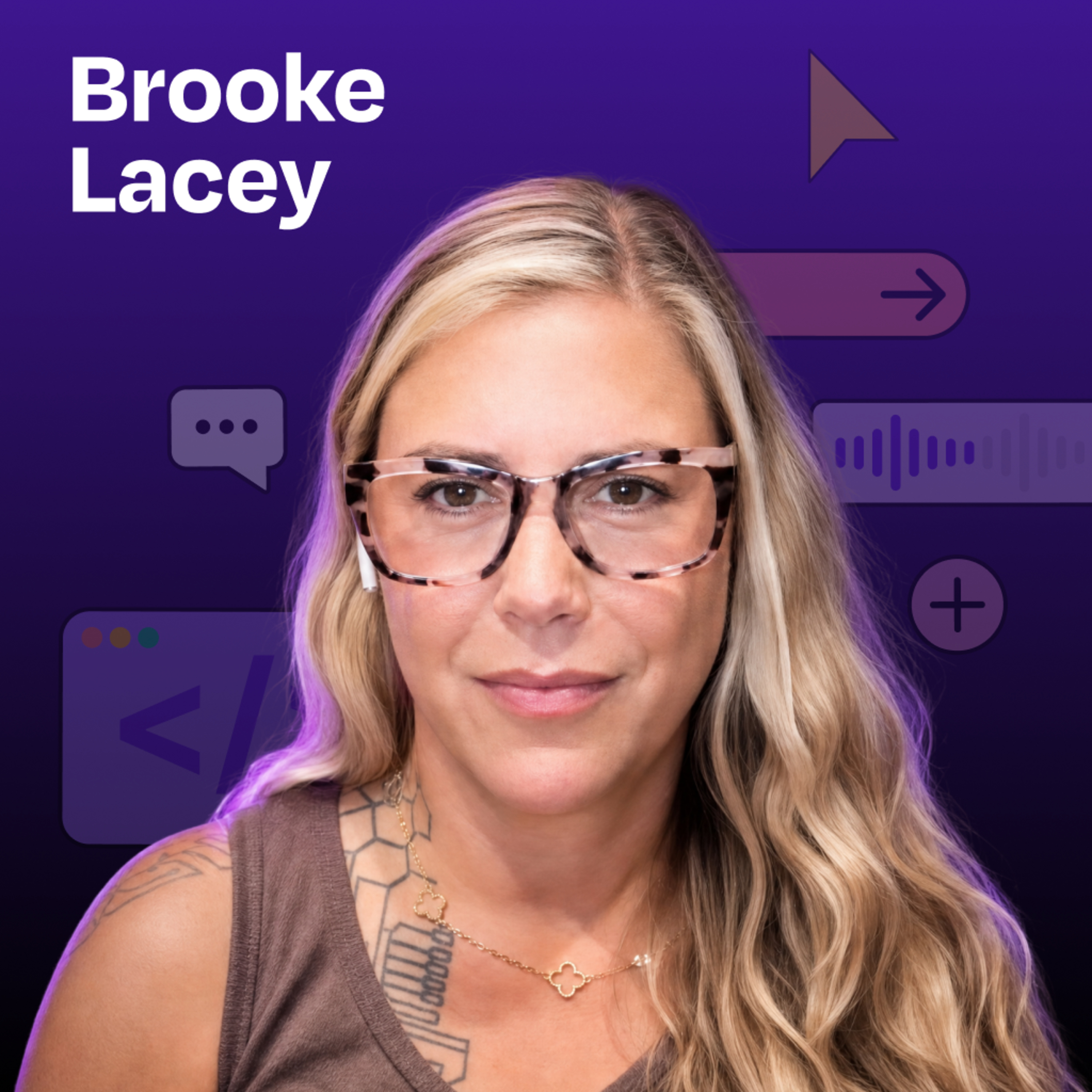
“Claude cuts my TikTok”: How this creator is scaling video with AI | Brooke Lacey
Brooke Lacey did not use AI to replace creative judgment. She used Claude Code, FFmpeg, and Whisper to turn a hard-won short-form editing style into a repeatable system, then used TikTok comments as a discovery engine for the next video.
Meta’s new ‘Muse Wonder’ model: good for AI agents, bad for design
Claire Vo's first look says Meta is in the game, but only for some jobs. Muse impressed on agentic workflows, assistant voice, and backend tasks, while lagging badly on PM staples like prototypes, PRDs, and front-end design.

How Meta designed Muse: an AI agent people actually want to talk to | Alex Cornell (Design Director)
A rare concrete look at consumer agent UX done well. Alex Cornell explains why Muse feels more like messaging than software, how its layered status system hides complexity without losing trust, and how personal data becomes the raw material for delight.

How OpenAI uses ChatGPT Sites (live at DevDay!) | Kath Korevec (Product Lead)
A live DevDay demo of how OpenAI's own product lead uses Sites with connected plugins, from an incident command view that shows each viewer only their data to a game that users extend by installing a skill.

Jev: 8 real use cases for the fastest, cheapest model I’ve ever used | John Lindquist
John Lindquist shows live demos of a fast, near-free decision model that turns messy text into structured choices, and explains where it beats a full LLM and where it does not.
OpenAI Dev Day 2026: The releases that actually matter
Claire Vo sorts a keynote packed with announcements into what to try first. Spaces and Sites may matter most for teams, and one 30-minute demo of ultra fast mode cost her about $97.
Jev for beginners: how to use it and what to build
Claire Vo says she spent under $10 in tokens on TypeSafe AI's new decision model and used it to do work she thinks is worth hundreds of thousands of dollars.
I left Claude for months. Opus 5.5 is why I'm back
Claire Vo quit Claude entirely because it was annoying to work with, not because it was unintelligent. She ran Opus 5.5 across four agentic tasks and a full homepage redesign, and explains exactly why she is switching back for some of her work.
Opus 5.5 vs. GPT-6 Sol: which model won my blind taste test?
Claire Vo scraps her planned Opus 5.5 review after Anthropic and OpenAI both ship new models the same morning, then blind scores them live across emails, PRDs, frontend, backend, agents, SVGs and video.
How Warp ships 2,000 PRs a month with AI factories | Zach Lloyd (CEO, Warp)
Warp's CEO walks through the "software factory" running his own engineering org, and the blunt data point it surfaces: the humans are now the bottleneck.
Muse review: The personal AI agent that gets consumer UX right
Claire Vo spends a weekend putting Meta's new personal agent through onboarding, family logistics, shopping, and goal-setting, and comes away calling it the best-designed agent she's tested.
How Grok Bot designers use AI agents to build personal sites and product prototypes | John Bai & Peng Zheng
Two designers on the Grok Bot team show how they turned personal bots into a whole production pipeline, from a self-updating website to Figma work handled from the gym.

Build your own company brain: the enterprise AI playbook from Stripe's engineering team | Sharadh Krishnamurthy
Stripe's Kai reaches 10,000+ employees a week not because of a better model, but because of governance, projects, and reusable skills. Sharadh Krishnamurthy explains the playbook, including the near misses that forced it.
GPT-6 Astra is a banger - here’s everything I’ve built
Claire Vo got early access to a model whose headline skill is using software the way a human does, and it quietly rewrites the "UI is dead" story every PM has been repeating.
Grok Bot vs. OpenClaw: How I replaced my entire agent stack
A power user runs about 30 personal agents and just ripped out her whole OpenClaw stack for Grok Bot. Her teardown of why is a masterclass in what actually makes an agent product usable.

How I turned Claude into a self-improving PM assistant | Daniel Blum (PM, Melio)
A working PM shows the exact Claude system that runs 70 to 80% of his day, manages his Notion for him, spots gaps in its own context, and rewrites itself every week.
Everyone hears the same episodes.
Few can do what they describe.