
Your latest funnel review probably went like this. Someone pulled up the drop-off chart, pointed at the biggest cliff, and said "let's cut that field." Everyone nodded. Six sprints later, conversion moved half a point.
Darius Contractor thinks that meeting is missing half the picture. He spent four years as Head of Growth Engineering at Dropbox, where his team helped drive roughly $100 million in net new revenue through Dropbox Business, then led product growth for Facebook Messenger and became VP of Growth at Airtable. He now serves as Chief Growth Officer at Otter.ai and has taught growth psychology at Reforge. Somewhere in those jobs he noticed the same pattern in every funnel he tore down: teams treat conversion as a friction problem when it is actually an energy problem.
He calls that energy psych, and it is one of the more useful mental models a product manager can steal.
The Unit Nobody Measures
Psych is Contractor's name for a user's motivation to finish whatever they started. He models it as a meter running from 0 to 100. At 100, a user is so committed they will push through a clunky form without blinking. At 0, they close the tab.
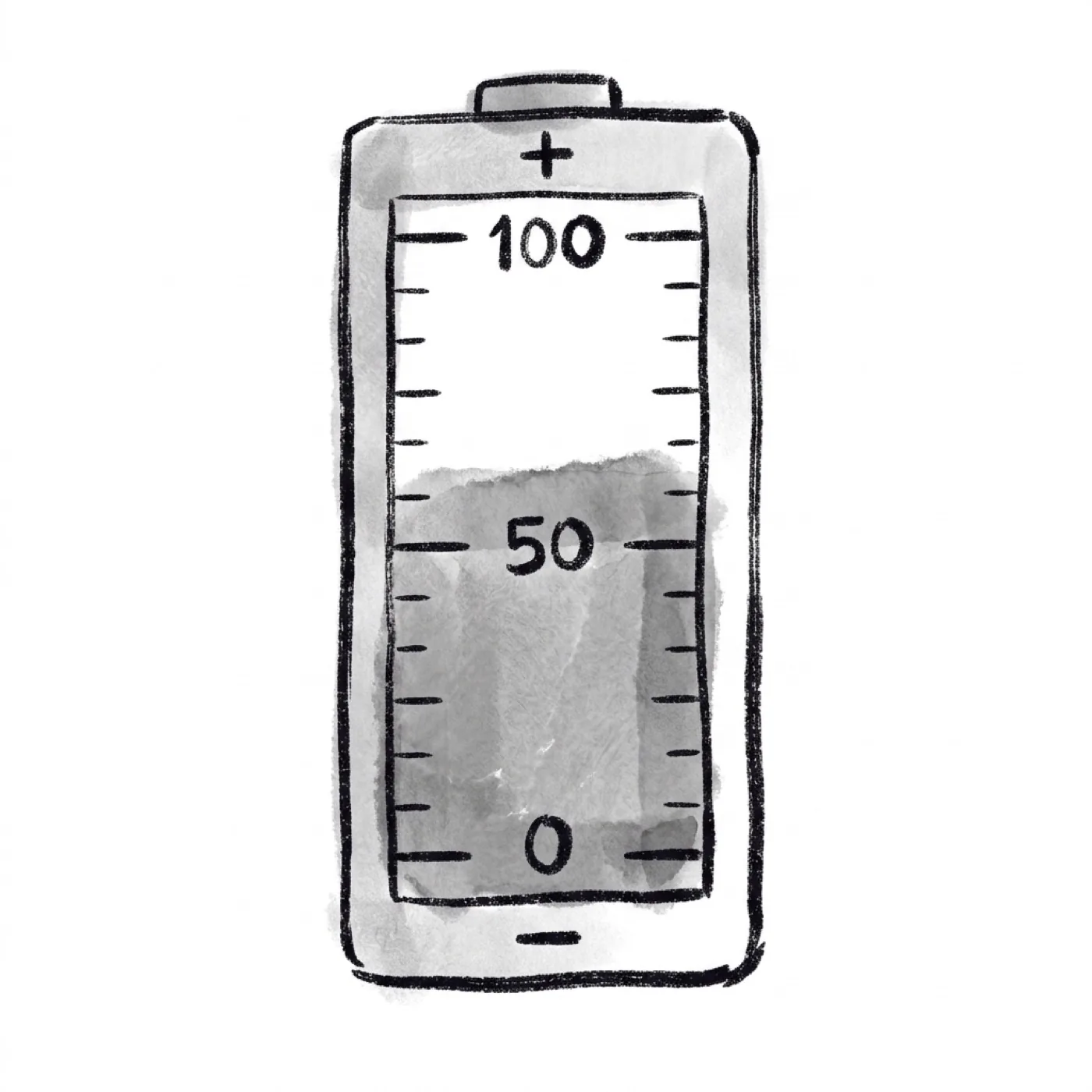
Users do not arrive at zero. They arrive already charged by wherever they came from. A friend's warm referral hands someone 70 or 80 psych before the page even loads. A cold banner ad might start them at 20. Every screen after that either tops the meter up or drains it, and the moment it crosses zero, the user leaves.
That framing matters for a PM because it turns "why did they drop off here" into a scoring exercise instead of a guess. You can walk any flow, screen by screen, and ask: did this add energy or take it away.
Friction Is Only Half the Model
Here is the part most teams get wrong. They optimize a funnel by subtraction only, cutting fields, shortening forms, removing steps. That is real work, but Contractor's framework insists it is only half the job.
"Every element on the page adds or subtracts emotional energy."
Darius Contractor
The other half is addition. Photos, proof, a clear promise, a sense of progress, all of these actively pump psych back into the user. A team that only removes friction is playing defense. A team that also adds energy is playing offense, and offense is what turns a mediocre funnel into a great one.

Think of a signup flow as a scale. One side holds every obstacle you make the user climb. The other side holds every reason you give them to keep climbing. Most roadmaps only ever touch the obstacle side.
What Charges a User Up
Contractor's teardowns assign rough point values to the things that add psych, and they are worth internalizing as a checklist. Attractive, human photography can add around 10 points on its own. A specific, credible claim (like a stat on how many people already succeeded using the product) adds a few more. Sensible defaults that save a user a decision add a handful too, and a clear, unambiguous call-to-action button can add close to 8.

None of this is decoration. It is targeted psychology. On the old Match.com homepage, attractive photos of real people did more to keep a searcher moving than any copy change could. Tinder leans on the same lever with imagery framed around "interesting people nearby." The lesson for a PM is not "add more photos everywhere." It is "know which moments in your flow are starving for reassurance, and put the highest-leverage inspiration there."
What Drains Them Dry
The removers matter just as much, and they scale differently than most PMs assume. A form field that forces a real decision costs around 5 points. Typing on a small keyboard, hunting for a zip code or similarly fiddly input, can cost around 10. Vague questions that make a user stop and think are quiet killers because they do not look expensive on a wireframe, but they cost real energy to resolve.
Money is the biggest drain of all. Asking someone to pay is inherently painful, which is exactly why Contractor argues you should never place a payment ask on a user who is already running low on psych.
Shopify's onboarding is a good small example of this discipline. It lets a new merchant skip naming their store at signup, because naming is a surprisingly taxing decision to force on someone in their first ninety seconds. Gusto does the opposite deliberately: it asks users to pick a company entity type and industry classification, a genuinely effortful decision, but only after the user has already invested enough to be unlikely to quit.

Score the Screen: The Match.com Teardown
Contractor's clearest demonstration is his walkthrough of Match.com's homepage. A user arriving from search starts around 50 psych. The page then adds roughly 24 points: attractive photos, a credibility claim, smart defaults, and a strong call-to-action button. Two required fields, an age selector and a zip code entry, then subtract about 15 points combined. Net result: the user reaches the signup step at 59 psych, comfortably positive, and converts.
Contractor and LogRocket's own writeup of the framework are both careful to flag something a numbers-hungry PM will want to hear: these values are illustrative, not measured in a lab. Treat them the way you would treat story points. They are useful for comparing screens against each other, not for building a spreadsheet formula that predicts conversion to the decimal.
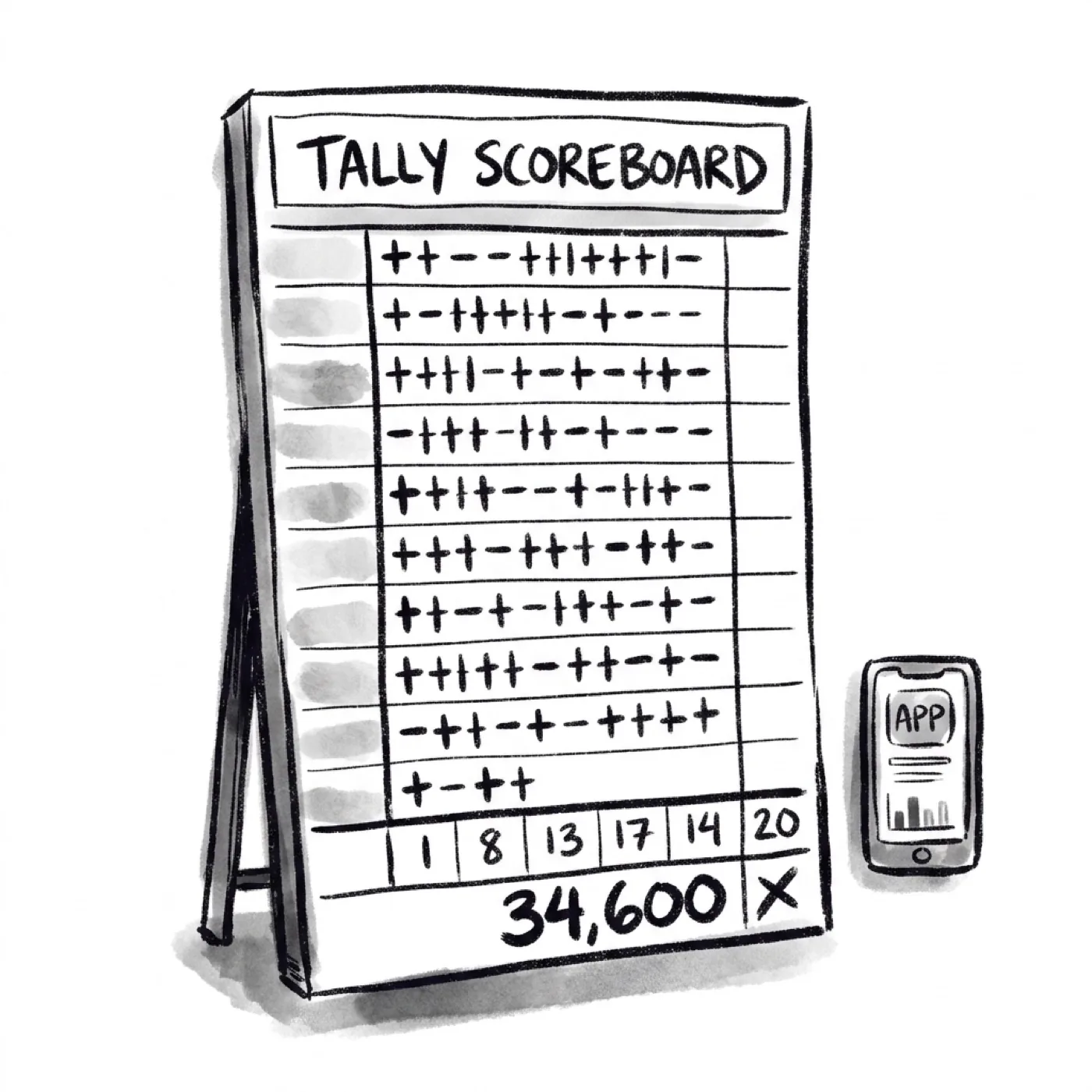
Still, the exercise itself is the useful part. Sit down with any screen in your own funnel and tally its pluses and minuses. You will usually find the biggest problem is not the field everyone wants to cut. It is the total absence of anything on the plus side.
Sequence Matters: Charge Before You Ask
The most transferable idea in the whole framework might be sequencing. Contractor's Airbnb teardown shows a host-signup flow that front-loads its landing page with every psych booster it has, an earnings calculator, a "$741 a week" average earnings estimate, flexible hosting options, and a $1 million host guarantee, all before the applicant ever touches the long, tedious signup form itself.
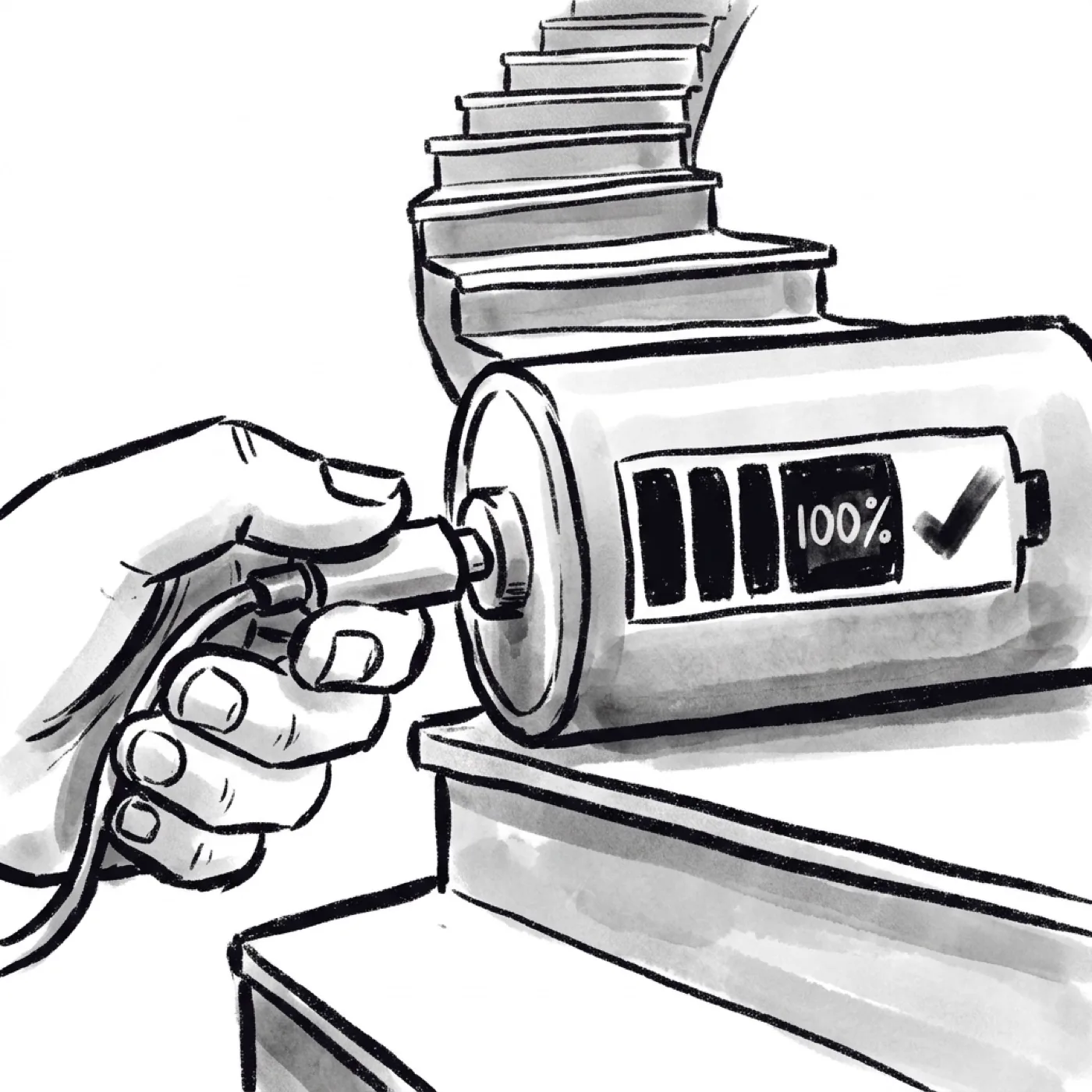
That order is deliberate. Stack your strongest boosters before the painful steps, not after. By the time the user reaches the tedious part, they are carrying a surplus of motivation built specifically to survive it.
Common Mistakes PMs Make With This
The pattern shows up across teardowns of the framework in the wild, and it is worth naming directly. Teams treat psych as a friction audit only, missing the addition half entirely. They scatter trust badges and testimonials randomly instead of placing them right before a specific, identified drain. They ask for payment or sensitive information before the user has seen any real value. And they bury a surprise requirement, an unexpected fee or an extra verification step, mid-flow, which breaks trust and tanks psych faster than any single form field ever could.
How to apply this
- Walk your funnel screen by screen and tally what adds and what subtracts psych, treating the scores as relative, not precise.
- Identify your traffic sources and estimate their starting psych; a cold ad needs more charging than a warm referral.
- Stack your strongest boosters (proof, imagery, a clear promise) immediately before your biggest drains, especially payment.
- Audit every required field and ask whether it is worth its cost; relocate or cut the ones that are not.
- Never let a user hit a surprise requirement mid-flow. It costs more psych than almost anything else on this list.
Reading a funnel this way turns a vague "conversion is down" problem into a concrete, screen-by-screen design brief, which is exactly the kind of thinking interviewers probe for in product sense rounds.
Ready to put frameworks like this into practice before your next interview? AllthingsPM lets you practice 4,000+ mock PM interviews, run interviews built from a real job description, and get your resume reviewed against that JD, completely free.
References
- Psych'd: A new user psychology framework for increasing funnel conversion (Darius Contractor, via Andrew Chen)
- Increase funnel conversion with Psych (Darius Contractor, original)
- LogRocket, What is the Psych framework?
- John Egan, Increase funnel conversion with Psych (summary)
- 20VC, Darius Contractor, former VP Growth at Airtable (bio and interview)
- The Twenty Minute VC, interview with Darius Contractor
- Churn.fm, Activation lessons learned from Airtable, Facebook, and Dropbox
- BurningLeads, The Psych Framework: A Data-Driven Approach to Increasing Conversion Rates