TAGGED
34 articles

AI products are priced three ways: per seat, per unit of usage, or per outcome, and most now blend them. This guide shows PMs how each model works, where each breaks, and how AllthingsPM teaches it in a graded course lesson.
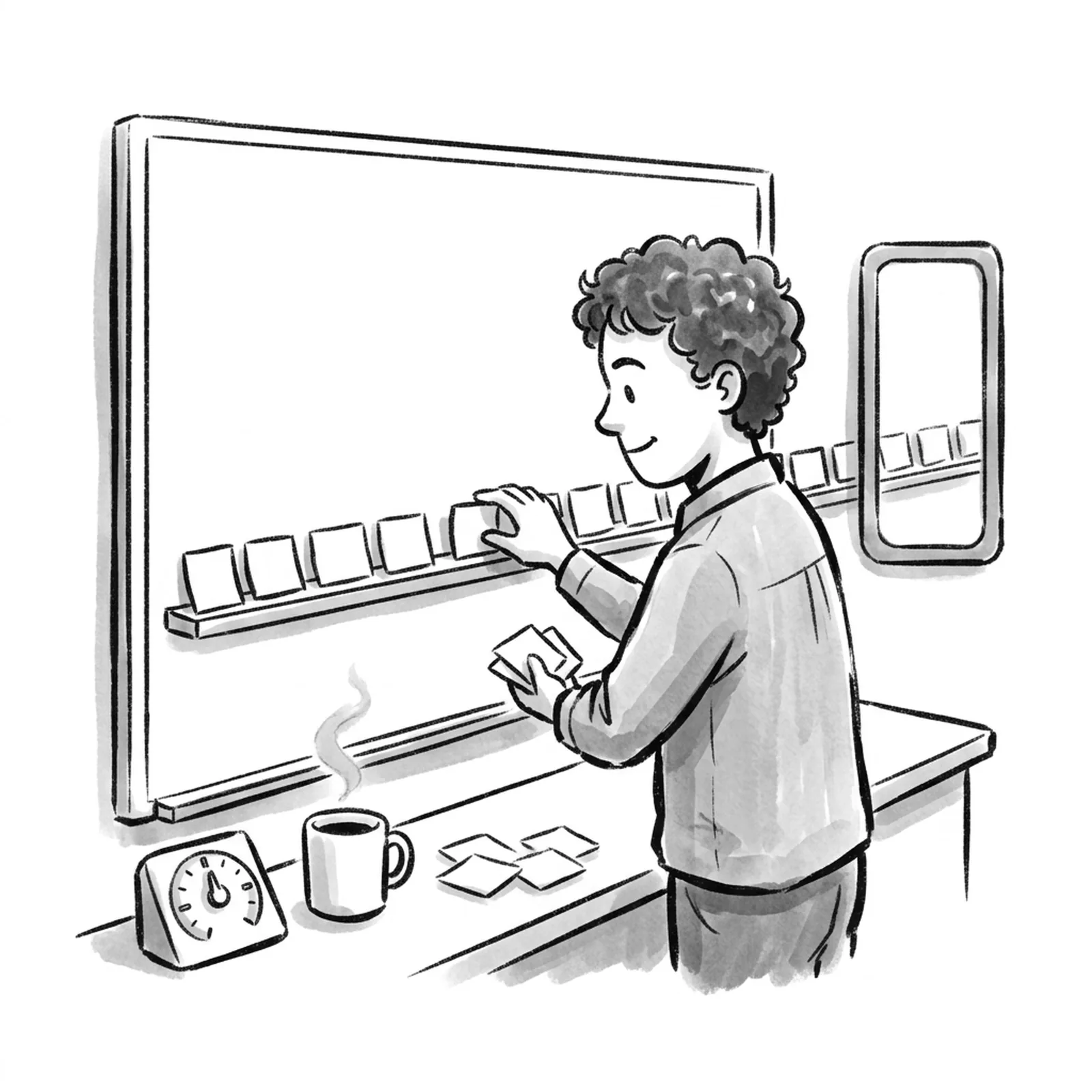
AI product discovery combines story-based interviews with reading conversation logs, tickets and traces, then roots every idea in one user behavior you can move. AllthingsPM teaches it as a full course chapter with a graded case.
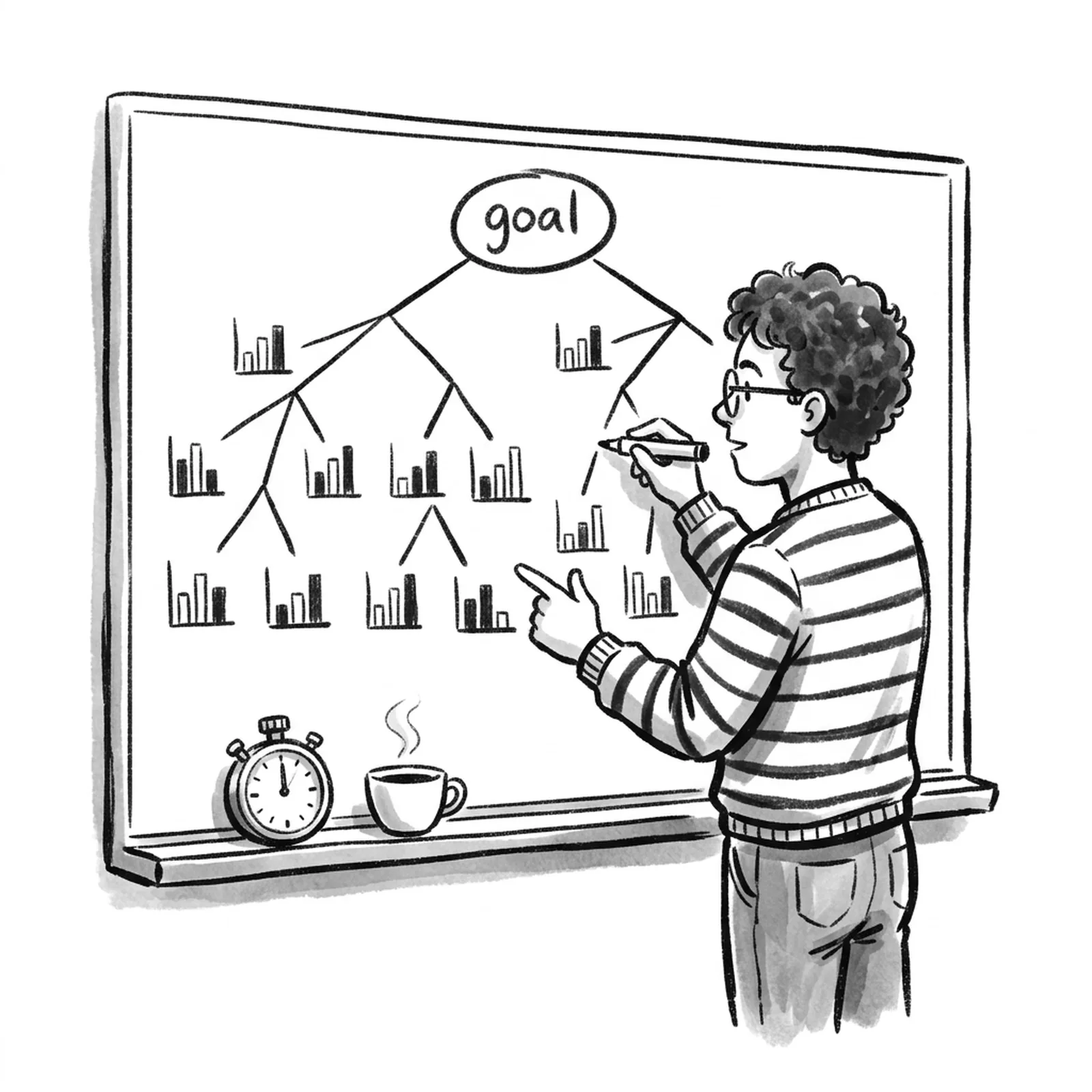
AI product metrics are the four layers that connect a model to money: quality, adoption, task success and unit economics. This guide shows PMs how to build each layer, and AllthingsPM teaches it as a full course chapter with graded cases.
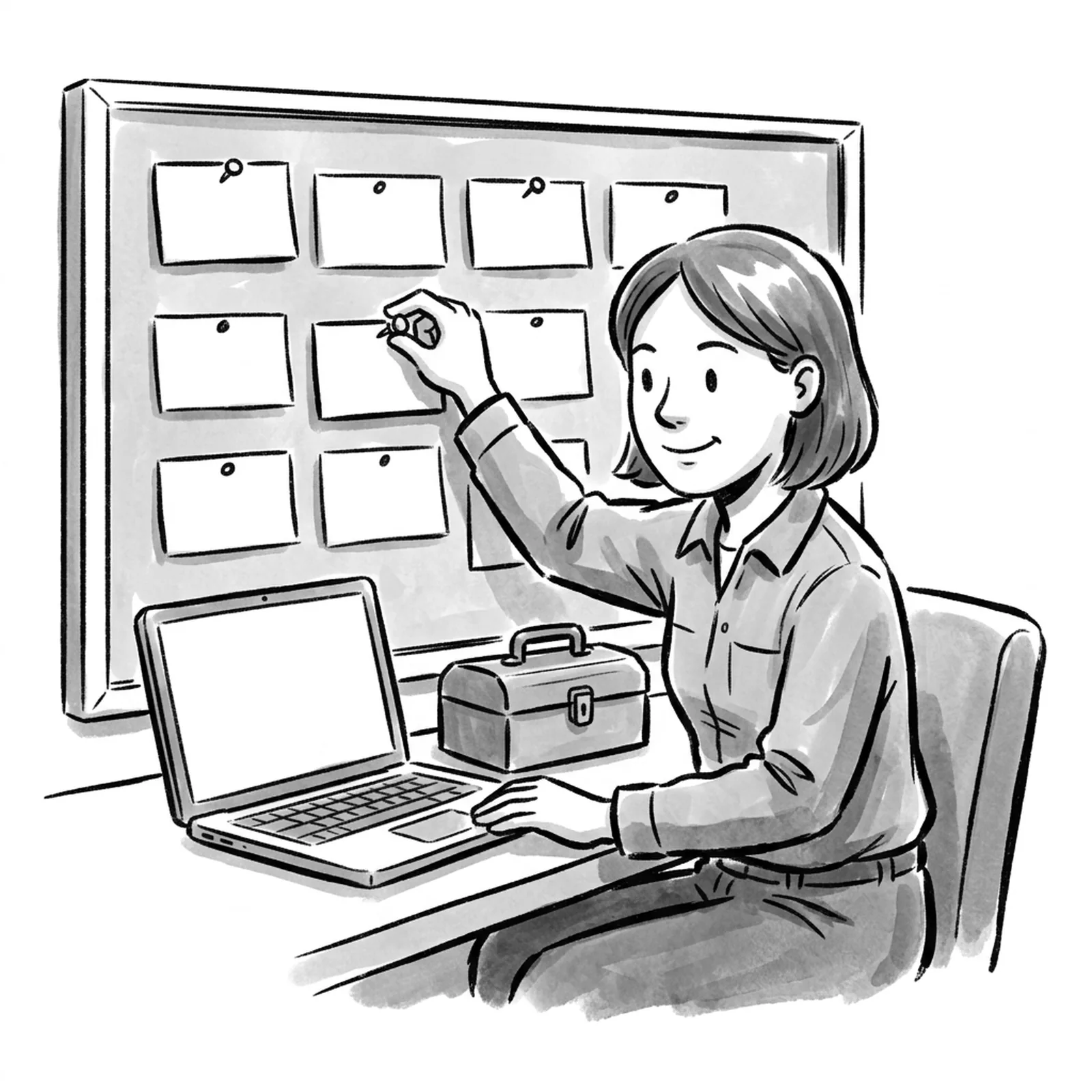
In 2026 the model is not an AI moat. What still defends an AI product is proprietary data that improves the product through use, owning the workflow or system of record, distribution, trust and brand, and process power. AllthingsPM teaches this in its AI PM course lesson on competitive moats.
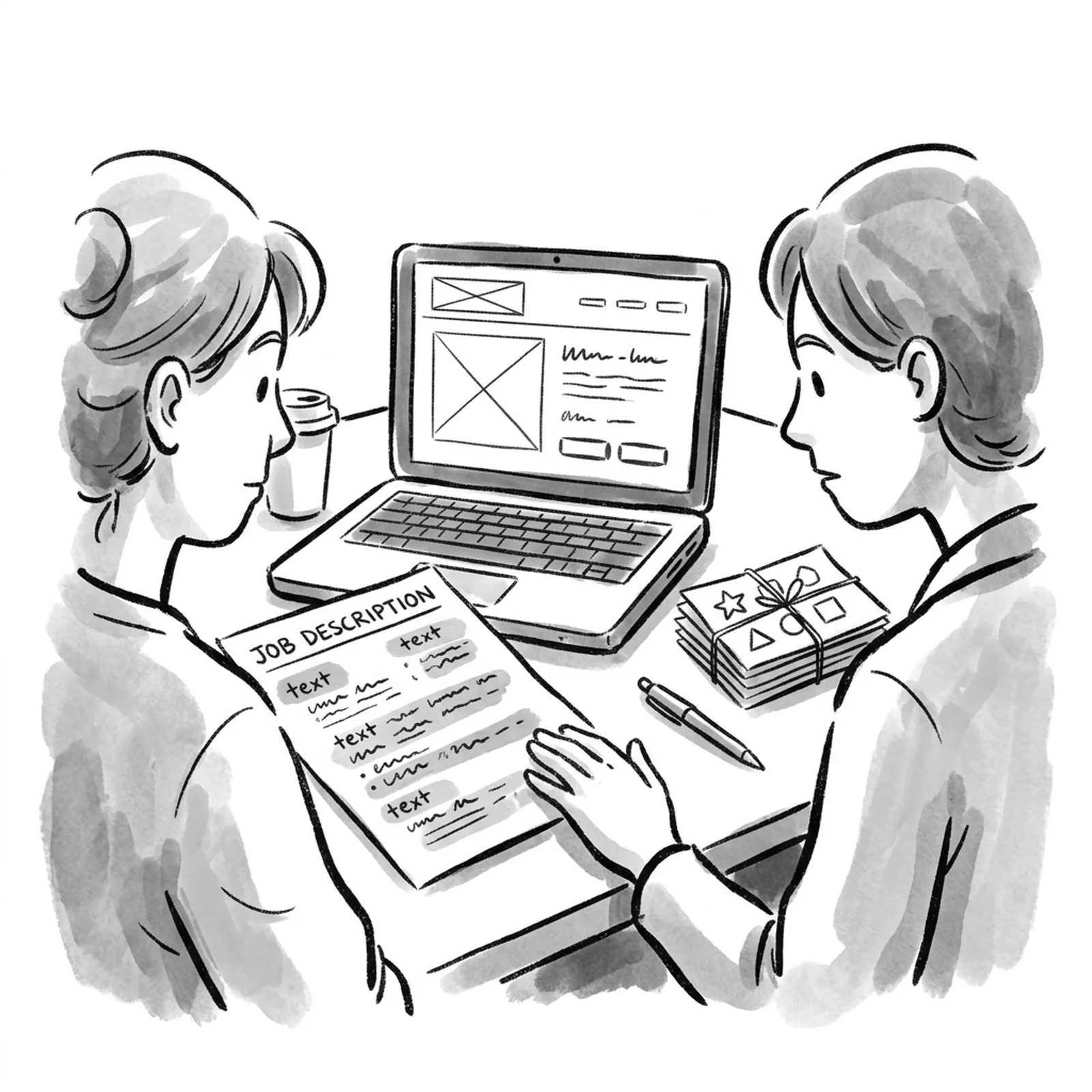
AI guardrails are the checks around a model that block bad inputs, bad outputs and bad actions. PMs own which ones ship, what they cost in refusals, and who approves irreversible actions. AllthingsPM teaches this in chapter 12 of its AI PM course.

AI UX design patterns make a model's mistakes cheap to spot, fix and route around: pick the right surface, set the level of autonomy, gate irreversible actions, cite claims and turn the thumbs-down into an eval row. AllthingsPM teaches all seven in chapter 7 of its AI PM course.

A golden dataset is a small, reviewed set of real inputs with agreed pass criteria that you run on every change to your AI feature. Start with 20 to 50 cases drawn from real failures, label them pass or fail, and grow the set from production. AllthingsPM teaches the full method in its Evals chapter.
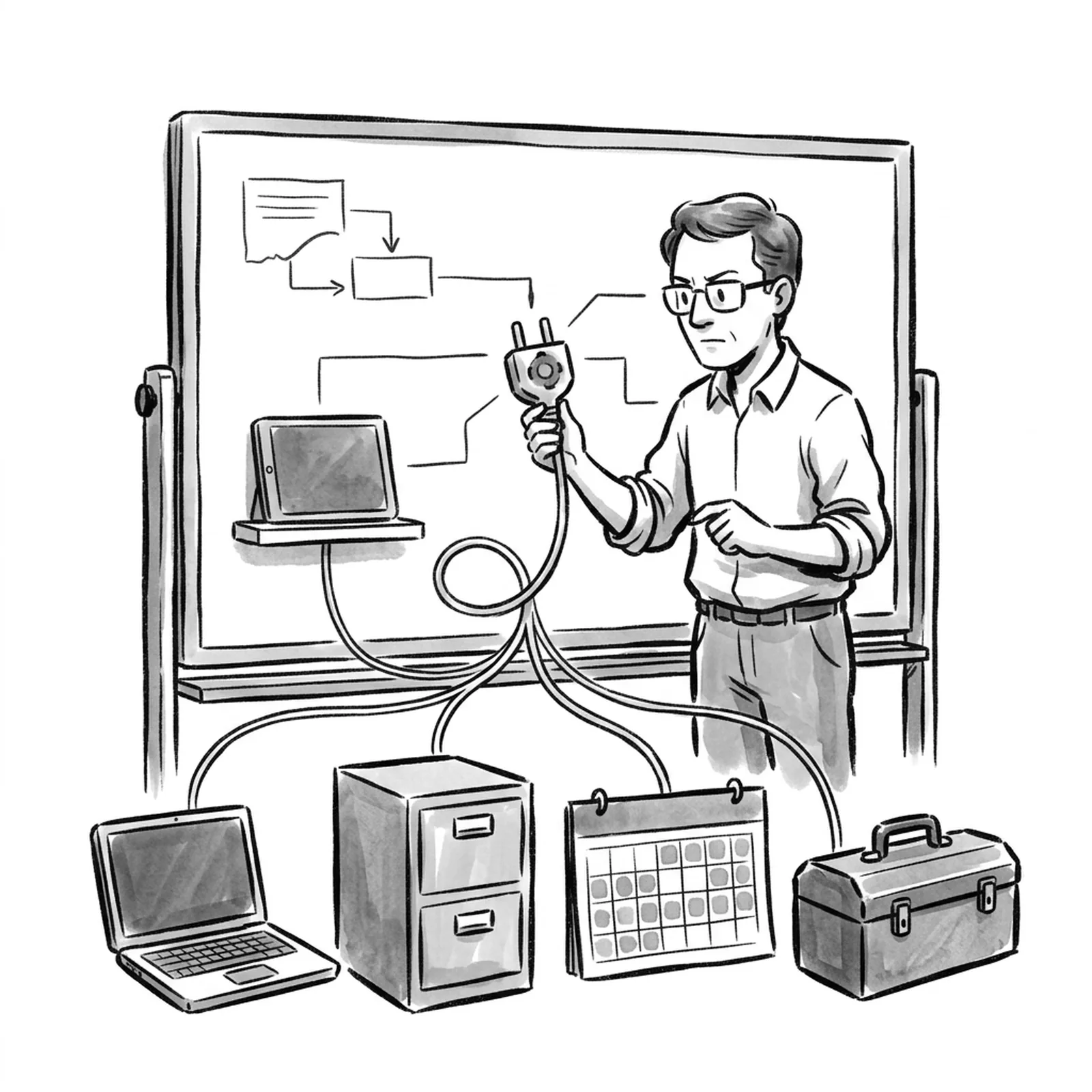
Context rot is the drop in accuracy and recall as a model's input grows, even far below the context window limit. AllthingsPM teaches PMs to treat context as a budget, not a memory, in a free course lesson.
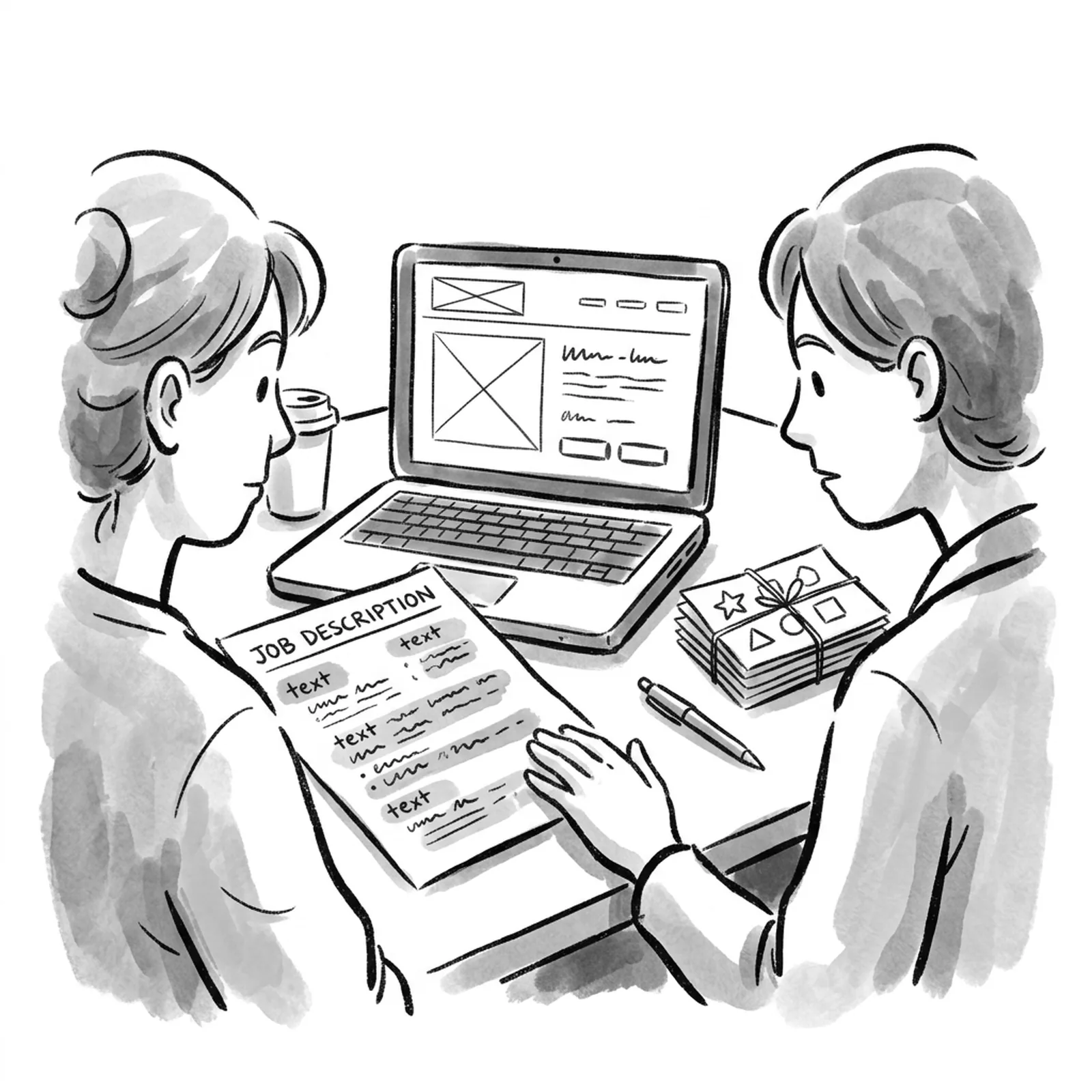
Enterprise AI deployment means getting an AI product or agent working inside a customer's existing systems, security rules and procurement process. This guide walks PMs through the eight stages, and AllthingsPM teaches each one in a 10-lesson course chapter built from real job postings.
Eight human-in-the-loop design patterns for AI products, from approval gates to escalation triggers, with when to use each, what the PM owns, and the AllthingsPM course lessons that teach them.
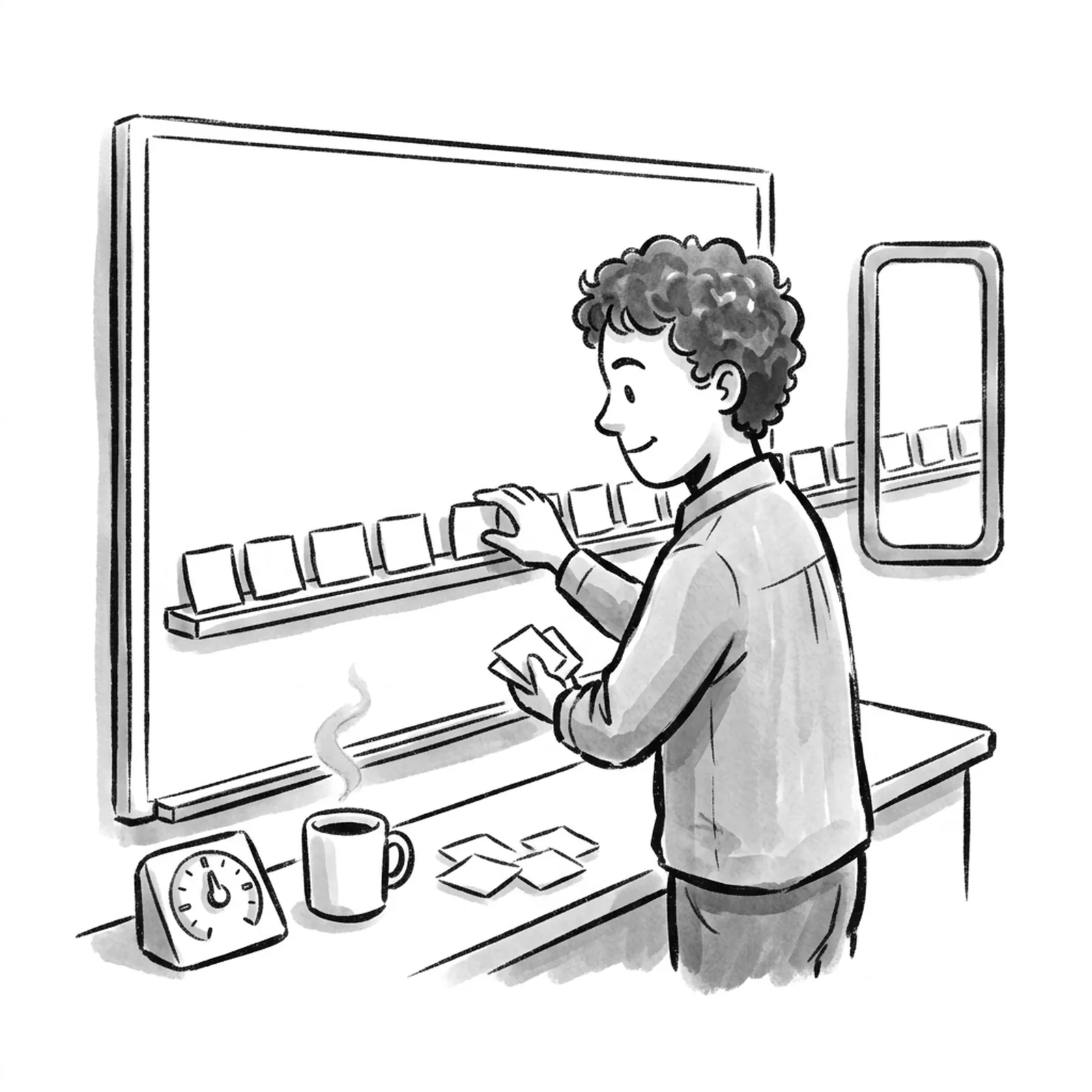
LLM-as-a-judge means using one language model to grade another model's outputs against a written criterion. This guide explains how PMs design, validate and ship a judge, and AllthingsPM teaches it in a graded Evals chapter with interview practice.

A multi-agent system is worth it when the work splits into independent, read-heavy parts that are too big for one context window and valuable enough to pay about 15 times the tokens of a chat. Otherwise, ship one agent. AllthingsPM teaches this call in its AI PM course.
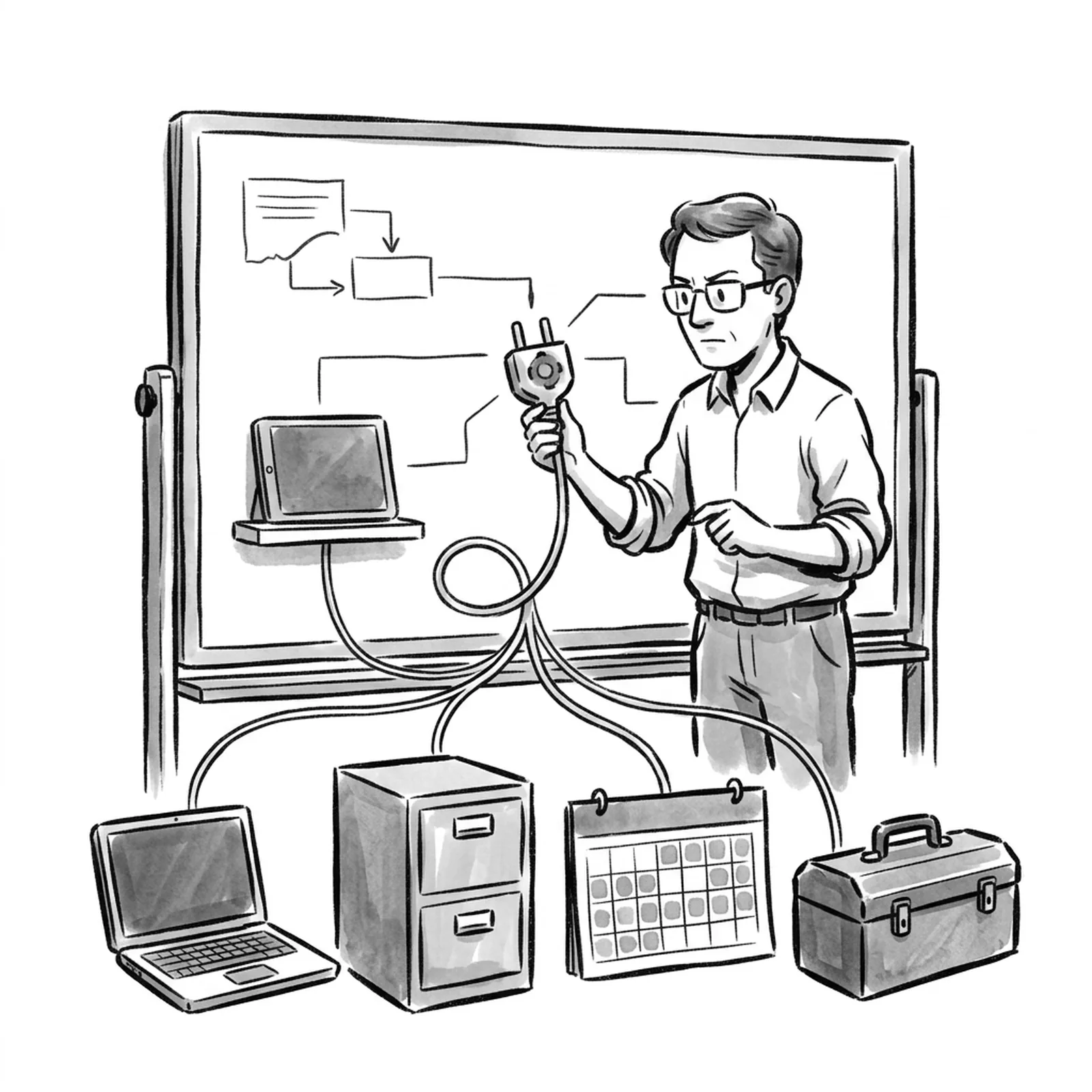
Multimodal AI product management comes down to four decisions: vision or OCR for documents, cascaded or speech-to-speech for voice, what the modality costs, and a golden set that scores audio and images directly. AllthingsPM teaches all four in a dedicated course chapter.
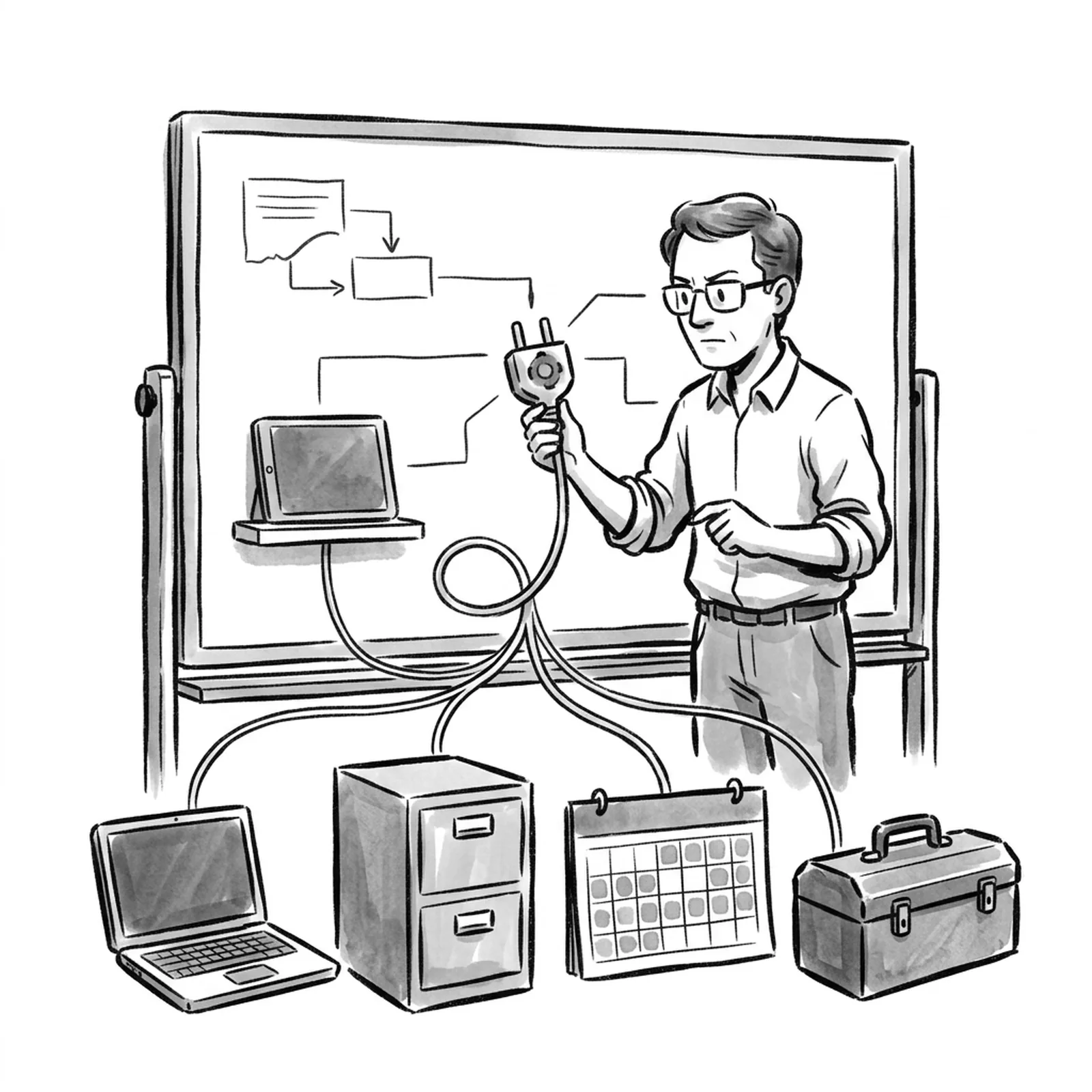
Prompt injection is when text the model reads (a web page, email or file) is treated as an instruction. It cannot be fully filtered out, so PMs limit what an agent can do. AllthingsPM teaches this in chapter 12 of its AI PM course.
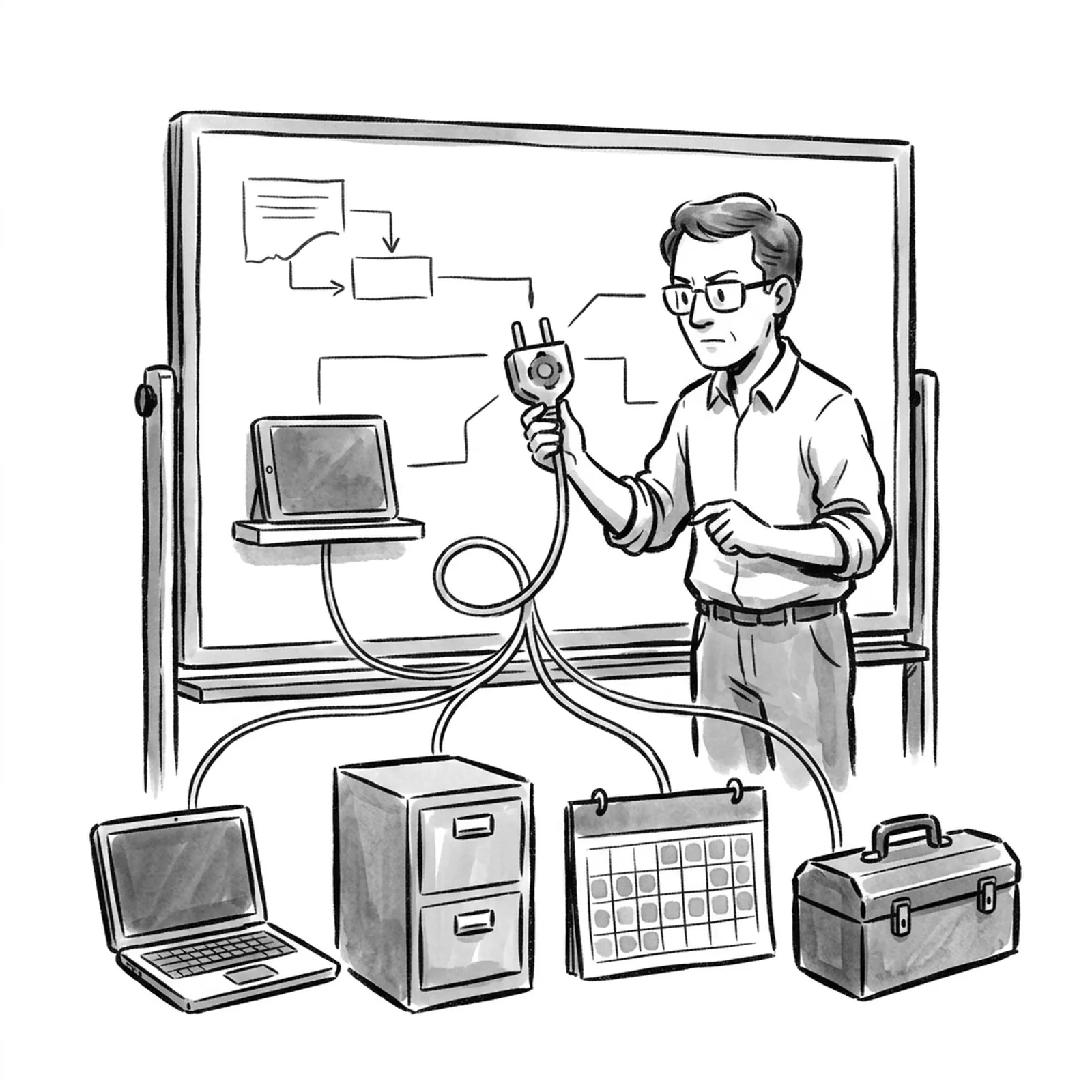
Start with prompt engineering, add RAG when the model lacks your facts, and fine-tune only when behaviour stays inconsistent after both. AllthingsPM teaches this decision in its AI PM course and drills it in mock interviews.
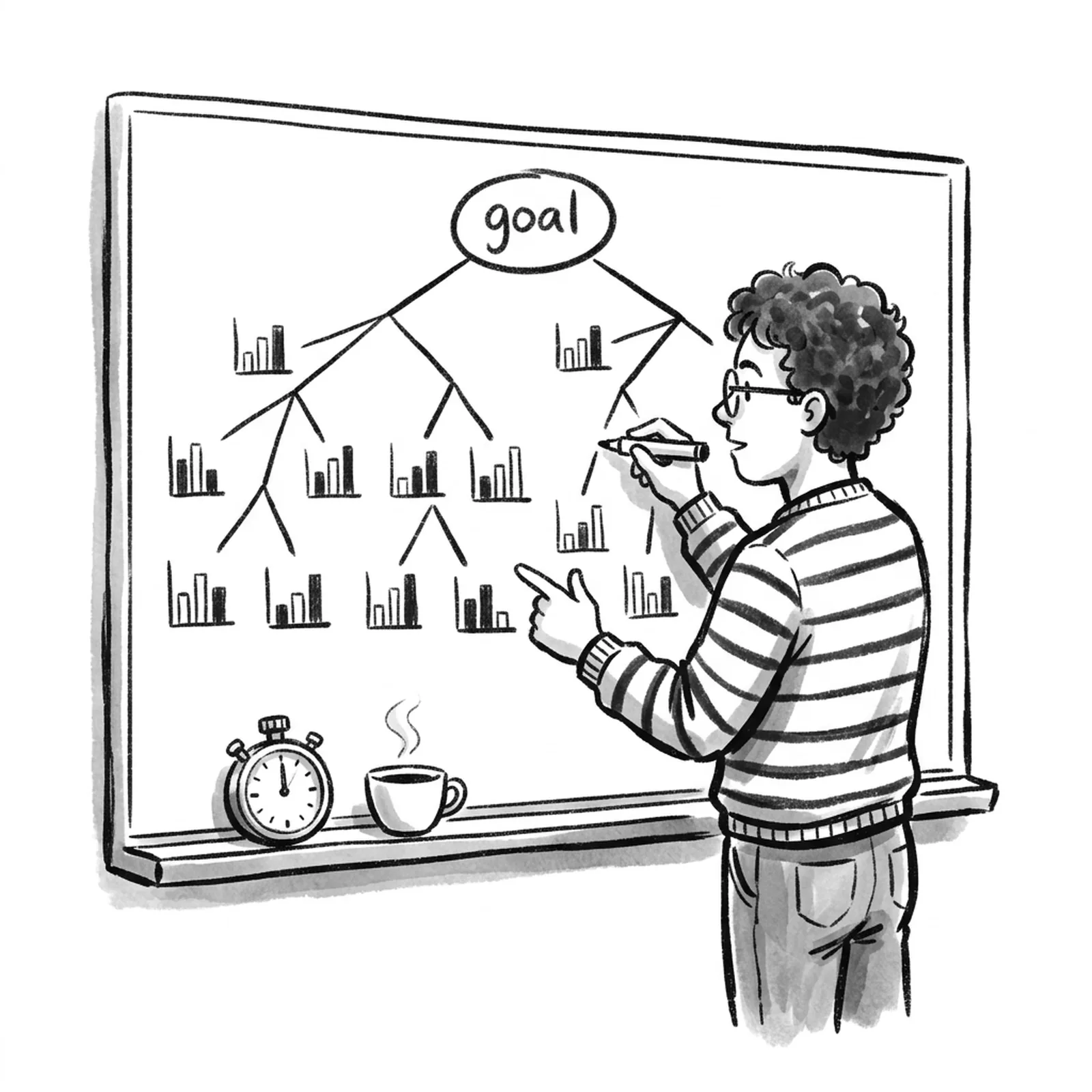
Simpson's paradox is when every segment says one thing and the total says the opposite. Here is how PMs spot it in A/B tests and AI launches, and how to report a number that survives the question.
The EU AI Act sorts AI features into four risk tiers. PMs own the classification call, the Article 50 disclosures that apply from 2 August 2026, and the spec work before high-risk rules land in December 2027. AllthingsPM teaches it in its AI PM course.

An AI feature's real cost is its cost per successful task: tokens per attempt, times attempts, plus the cost of every failure, divided by the success rate. This guide shows the math with September 2026 model prices, and AllthingsPM teaches it in a graded course chapter.
Voice AI product management comes down to four decisions: cascaded or speech-to-speech, the latency budget, the spoken turn, and the per-minute bill. AllthingsPM teaches all four in its AI PM course and lets you rehearse them in voice mock interviews.

AI fluency for a product manager means you delegate the right work to AI, describe it well, judge the output, and own the result. Score yourself on this 8-row rubric, then close the gaps with the AllthingsPM AI PM course.

An AI agent is a model running in a loop with five parts: tools it can call, a plan, state it carries between steps, a rule for when to stop, and a path to a human. AllthingsPM teaches each part in its AI PM course.

Claude Code lets product managers prototype, analyze data, synthesize research and read their own product's code in plain English. This guide covers setup, six PM workflows, the risks, and how AllthingsPM teaches and tests the skill.
An LLM predicts one token at a time, reads only what fits in its context window, and samples with a temperature setting. AllthingsPM explains all three in plain PM terms, with free course lessons and real interview questions to practise.

An AI benchmark is a fixed test set with a scoring rule. Read it honestly by checking what it measures, how it was run, whether it is contaminated or saturated, and how big the error bars are, then test on your own tasks. AllthingsPM teaches this in its AI PM course.

A product manager can make a first OpenAI API call in about fifteen minutes: get a key, set it as an environment variable, send one curl request to the Responses API, and read the usage block to learn what it cost. AllthingsPM teaches this in a free course lesson.

A free PRD template with 14 sections, two filled-in examples (a classic feature and an AI feature) and the mistakes to avoid. Copy it, then practise writing PRDs in the AllthingsPM AI PM course.
LLM observability for product managers means reading traces: the tree of model calls, tool calls and retrievals behind one user request. This guide shows how to read one, what to look for, and how to turn 100 traces into a ranked failure backlog, with AllthingsPM course lessons for each step.

SQL for product managers comes down to six query patterns: count, filter, group, join, date buckets and before/after comparison. AllthingsPM teaches them in its AI PM course, built from 604 real PM job postings where SQL is the most-named tool.

Vibe coding for product managers means describing a product idea to an AI tool and getting a working prototype you can test with users before engineering commits. AllthingsPM teaches it in chapter 3 of its AI PM course, PM as builder.
Do not use an LLM when the answer is already in your data (use SQL), when you have labeled examples of a fixed set of categories (train a classifier), or when a short rule gets it right (write the rule). AllthingsPM teaches this decision in a free course lesson.

Use a workflow when you can write the path before the model runs; use an agent only when the path depends on what the model finds. AllthingsPM teaches the call in a full course chapter built from real AI PM job postings.
AI evals are the tests that decide whether an AI feature is good enough to ship. This guide gives PMs the full method, and AllthingsPM lets you learn it in a graded course chapter and practise it in mock interviews built from real evals job descriptions.
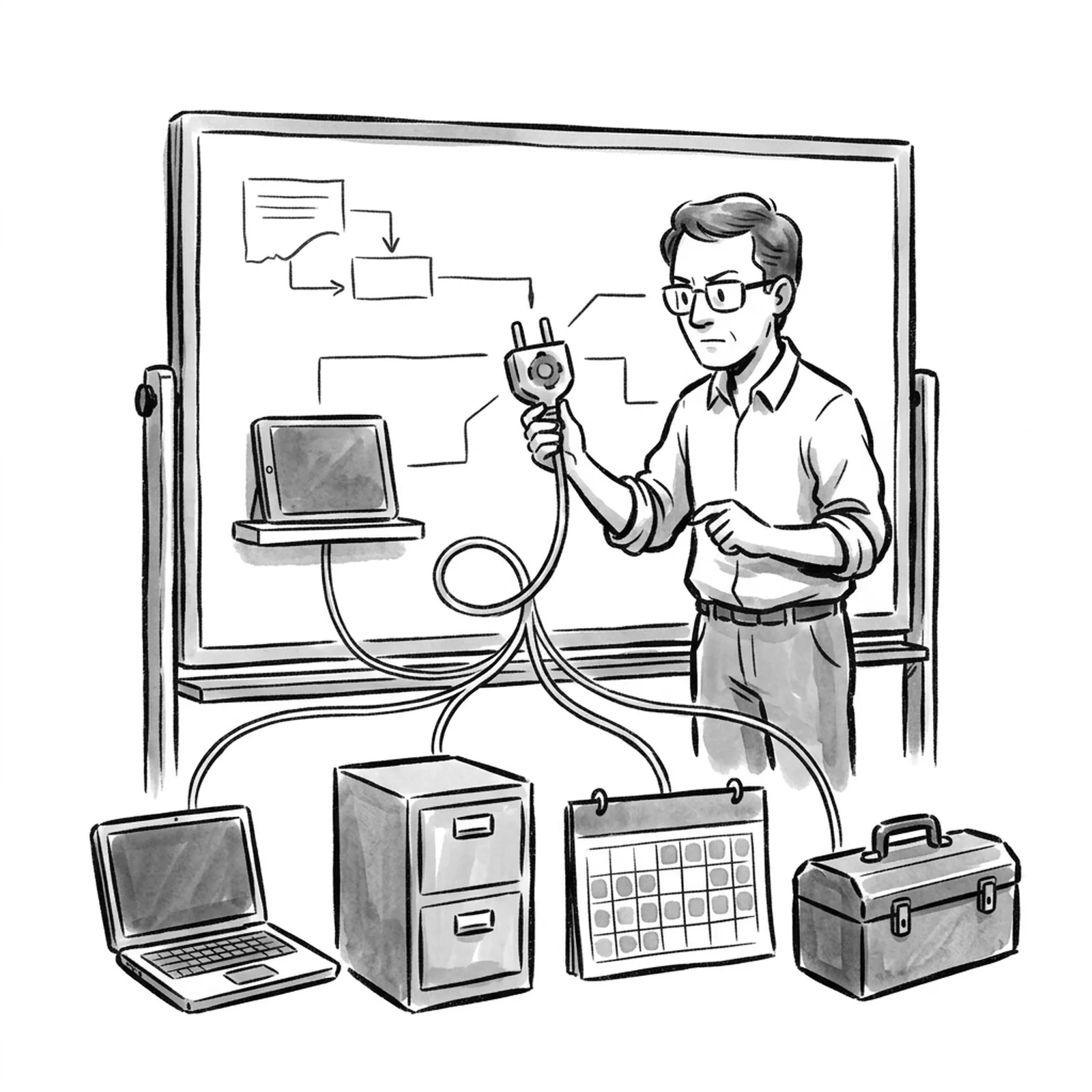
MCP (Model Context Protocol) is an open standard that lets AI apps like Claude, ChatGPT and Cursor call your product's tools and read its data. PMs own what gets exposed, who can use it and how it is measured. AllthingsPM teaches it in two course lessons built from real job postings.
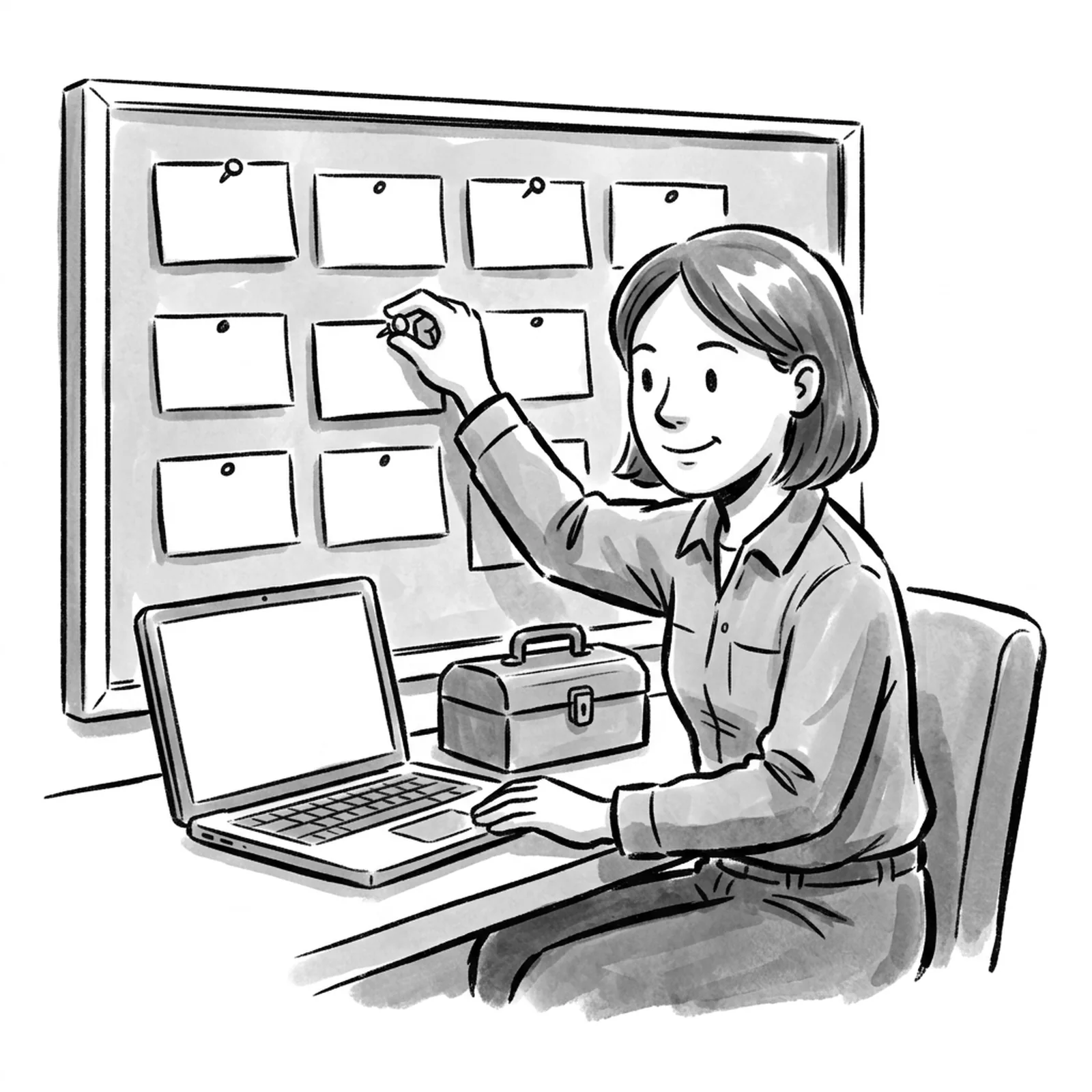
An AI PRD is a normal PRD plus an AI-or-not decision, a risk register, layered guardrails, escalation triggers, an eval plan as acceptance criteria and three-level metrics. Copy the template below, then learn and practise it in the AllthingsPM course and JD mock interviews.
Reading is the easy half.
The course grades the other half.
